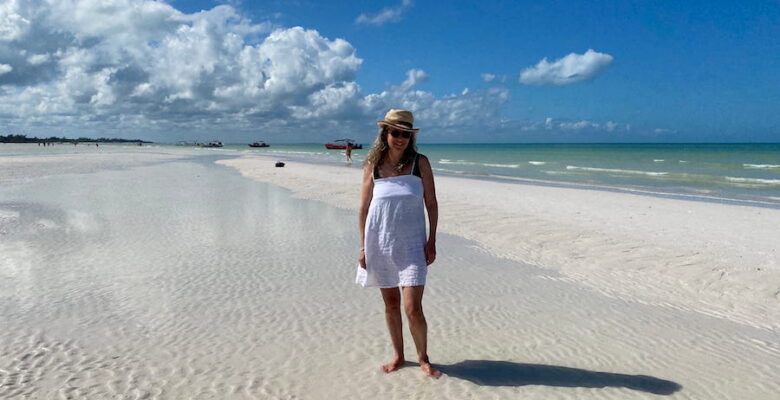
Exploring island life off the coast of Yucatan, Mexico, Diana Ballon discovers the peaceful relaxation of disconnecting, while immersing herself in nature and the deliciously fresh food of Isla Holbox.
Isla Holbox, an Island Escape
There are eight of us settled in a small blue-and-yellow outboard boat skimming across turquoise water. The horizon dissolves into the sea, and a green strip of land floats in the distance, as our Captain José Elias Celina, explains where we’re headed.
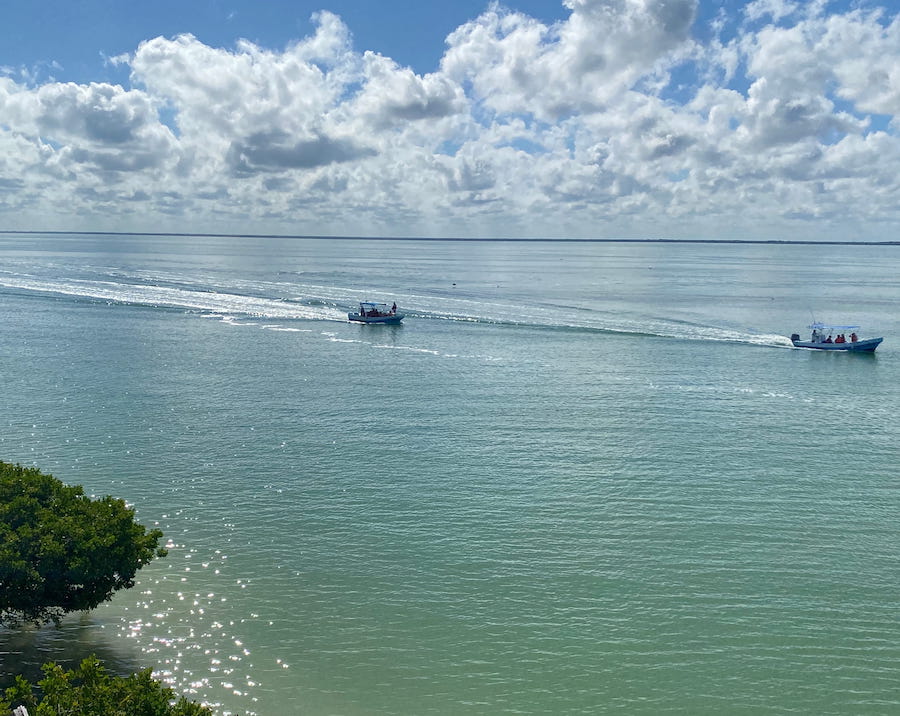
Cabo Catoche, exploring a remote island of two
“At Cabo Catoche, no hay vehiculas [there are no cars], no hay hoteles [no hotels], no internet,” he says. “Nothing.”
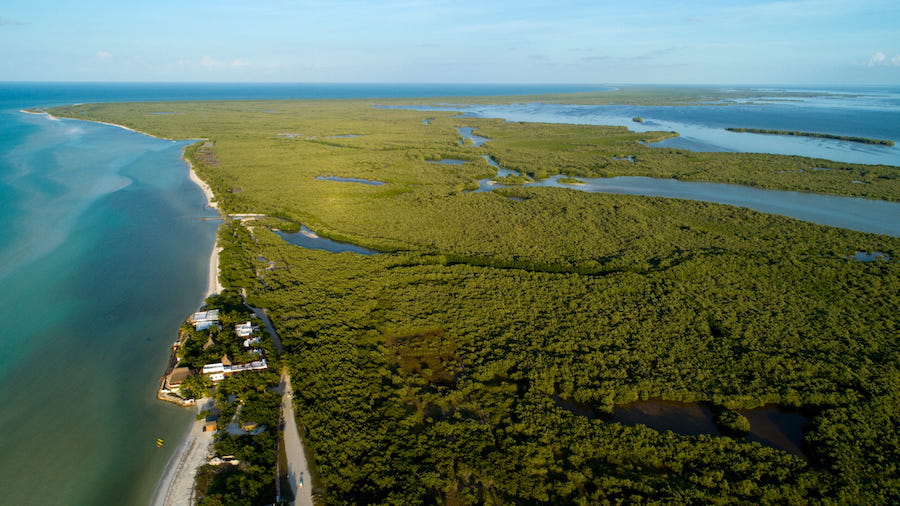
Cabo Catoche isn’t technically an island, but it might as well be. Accessible only by water, this thin strip of beach sits six miles off the tip of Holbox, a car-free island off the northern coast of Mexico’s Yucatan peninsula. While Isla Holbox is no longer a secret, it still feels like off-the-beaten-path escape, shaped as much by what it lacks as what it provides.
I’ve never been sure what I love most about islands, what is on them, or as Captain José has summarized, what they have left behind. I suspect it is a combination of both.
The last time I visited the Yucatan was almost 25 years ago on a trip to Tulum with my soon-to-be-husband. For about $20, we slept in a hammock-like bed in a tent with a sand floor, wandered out to beachfront restaurants guided only by our camping head lamps, and swam naked on a deserted beach in Sian Ka’an Biosphere Reserve. While Tulum is now a touristed global destination, Isla Holbox reminded me of the quiet, laid-back destination I discovered so long ago.
Admittedly, I wasn’t sleeping on a sand floor on Holbox. Our beachfront stay at Ana Y José felt both grand and understated, blending nature and luxury with a biophilic design: dark wood and bamboo, and wide glass doors opening onto a private patio facing the beach. Each night, chocolates or other small treats were waiting for me on my bed. And in the morning, my breakfast of avocado toast with freshly squeezed orange juice was served in a beehive-shaped nest accessed by a ladder, with uninterrupted views of the sea.
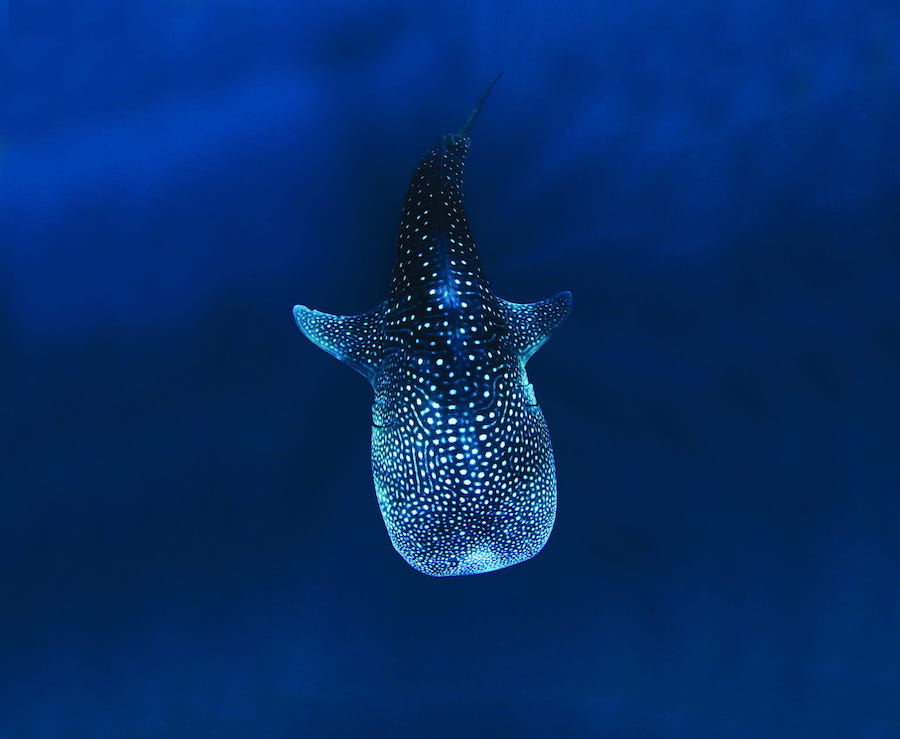
Holbox has its share of stunning boutique hotels, and that includes elegant treehouses. But alongside its creature comforts and understated luxury, the island still feels like a bucolic place to escape. Isla Holbox is part of the Yum Balam Nature Reserve created in 1994 to protect its rich wildlife. The area is home to more than 420 bird species, including teems of pelicans, flamingos, storks and herons. From May to September, whale sharks migrate through its waters, with some of the largest concentration of these filter feeding sharks worldwide.
Cabo Catoche is a prime example of Isla Holbox’s unspoilt edges. At the time I visited, Catoche was completely uninhabited, except for two people. One is a woman named Gaby who was out buying provisions for the sole café on the island, the Cocita de Gaby café. The other is a 20-year-old man named Gael Domingues, who sleeps in a hammock, and works at the café during the tourist seasons. “I don’t like the city,” he tells me. “I prefer natural places.”
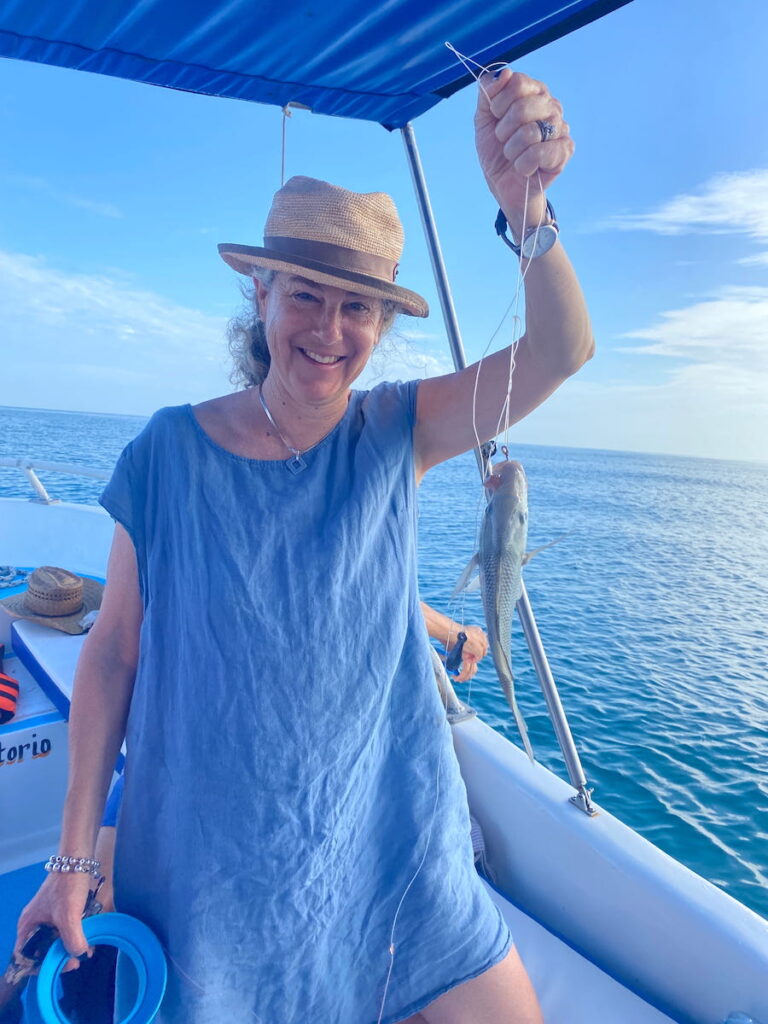
While we’re there, Captain José prepares ceviche using the fish that we caught on the way, through a traditional yo-yo method. When a fish nibbles on the raw tuna at the end of our line, it jerks, and we quickly hoist up the line, while winding the thread around a plastic hand-held spool. In less than half an hour, my friend and I have caught eight (!) fish — yellow snapper and grouper for lunch, smaller fish for bait.
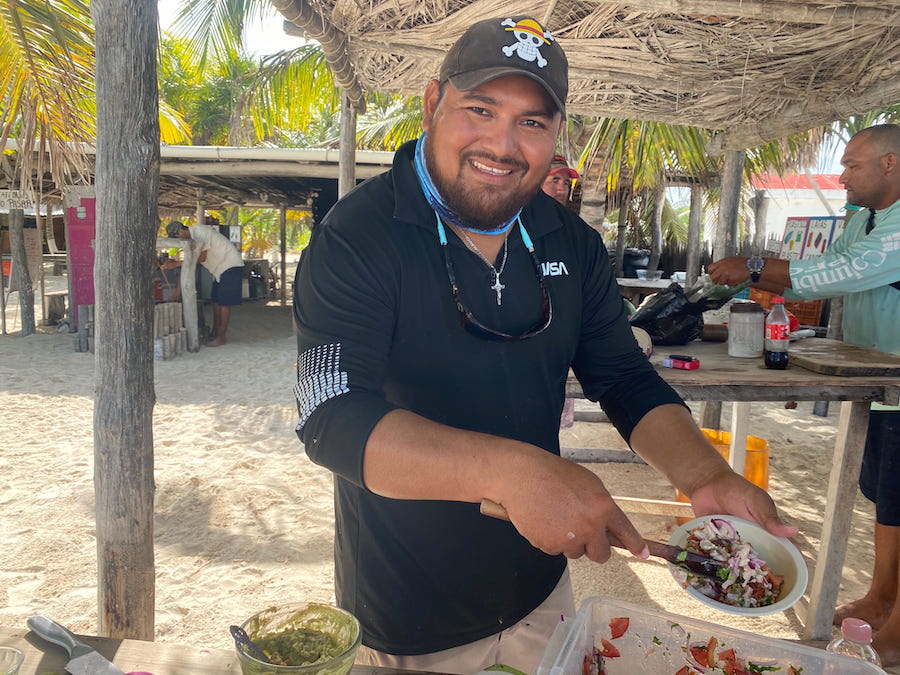
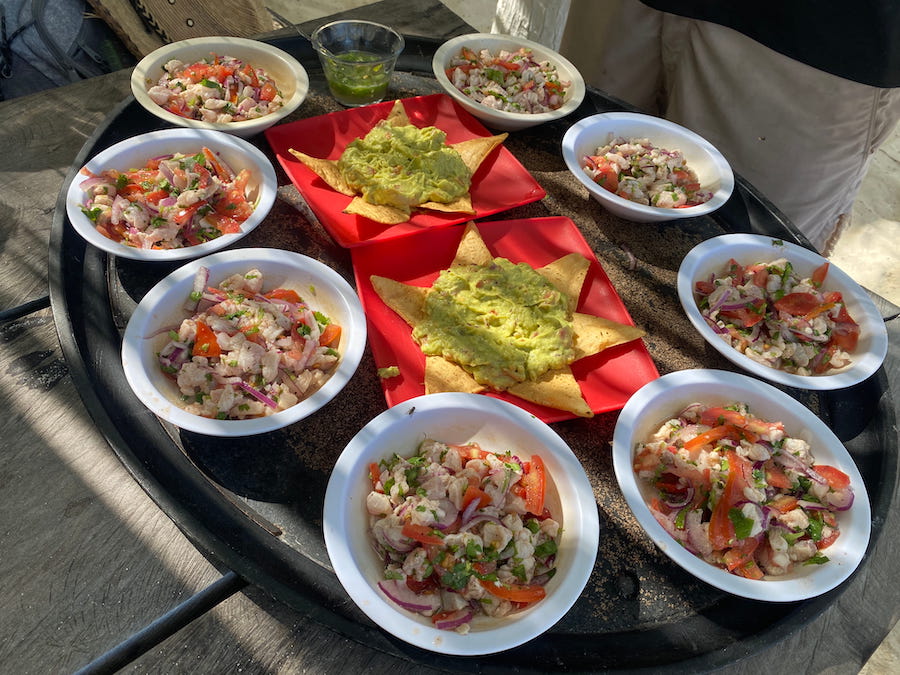
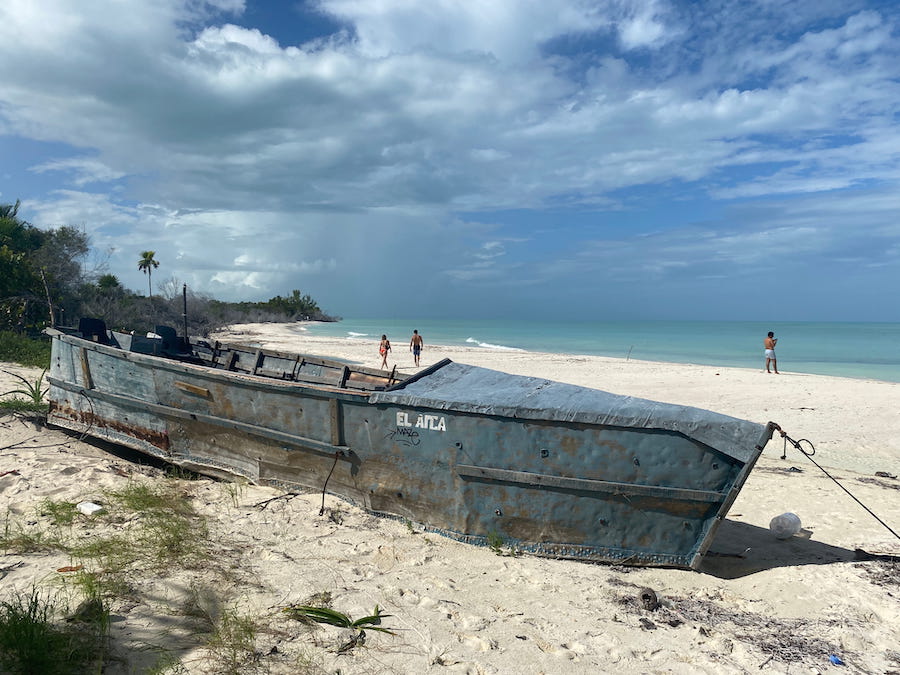
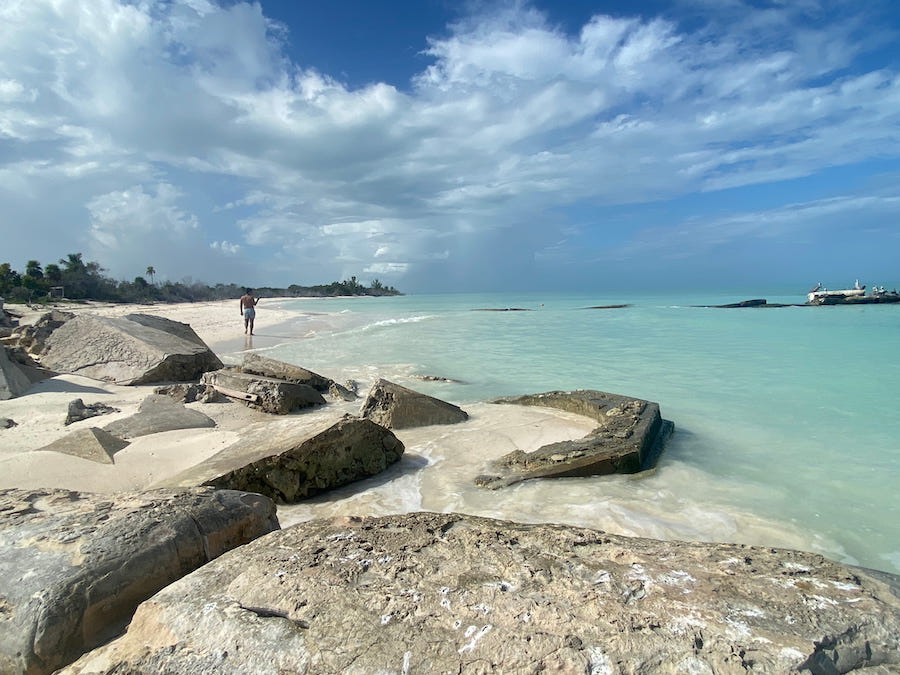
On the island, we wander along the beach, past a fisherman’s boat abandoned on the shore, and an old lighthouse crowned by an osprey nest. We settle at picnic tables under coconut trees, spooning ceviche and guacamole with tortilla chips as the waves quietly lap against the shore.
Birds, Azure Waters & Deserted Beaches: Isla Pájaros, Isla de la Pasión & Isla Holbox
Another day, we join Holbox’s popular Three Islands Tour. The first stop is Isla Pájaros (Bird Island), a mangrove-covered nesting site we view from a lookout tower. In minutes, we spot dozens of pelicans settled on the mangroves, an osprey, some double-breasted cormorants and egrets. Then before reaching our next stop, Isla de la Pasión (Passion Island), our captain does an abrupt turn so we can watch three dolphins leap in and out of the water.
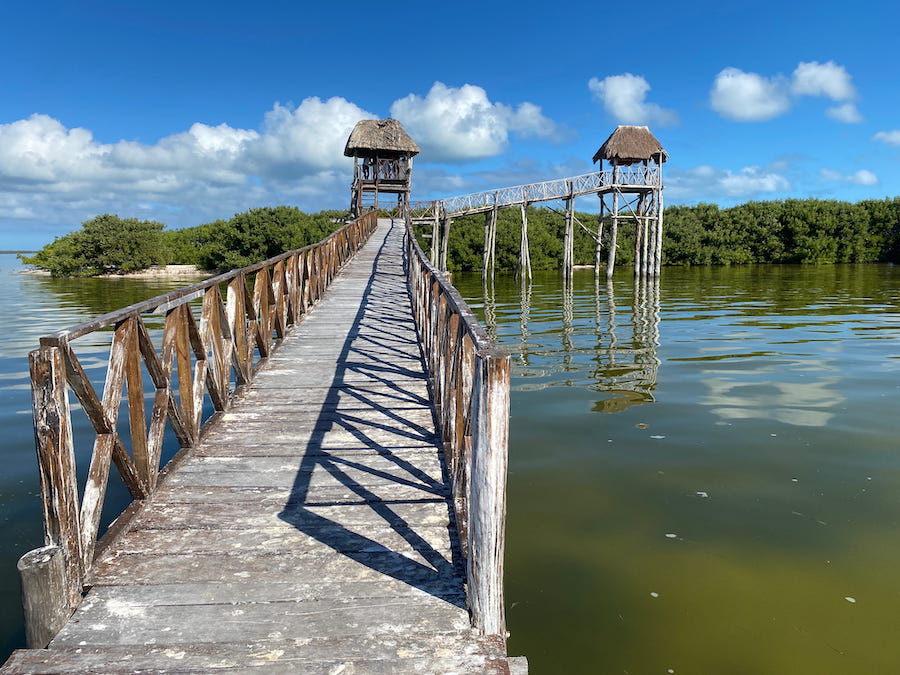
Isla de la Pasión is a small island with only thin edges of sand not covered by mangroves forests. We waded through the shallow, glassy water, where the sky seems to melt into the sea, and puffy white clouds drift across an azure blue sky.
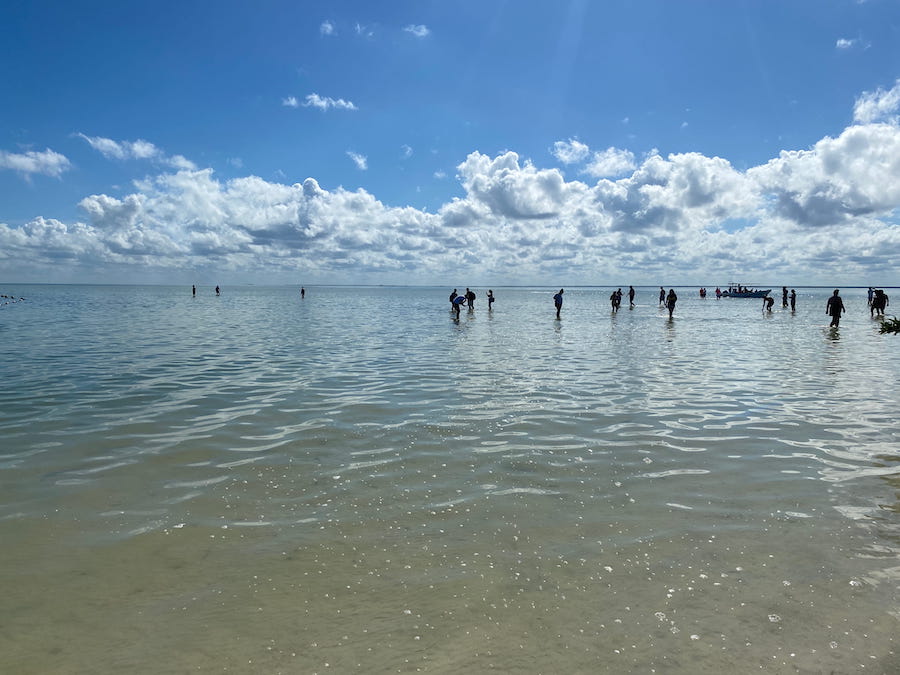
Our final stop is Punta Mosquito, a long sandbar that stretches about 2.5 kilometres into the town of Holbox. I watch as a long stream of visitors, wade knee deep through the water in a loose line, like an aquatic highway. By contrast, another section of Punta Mosquito is strictly off limits for bird and wildlife protection, but you may still be able to spot resident piping plovers, reddist egret and other birds.
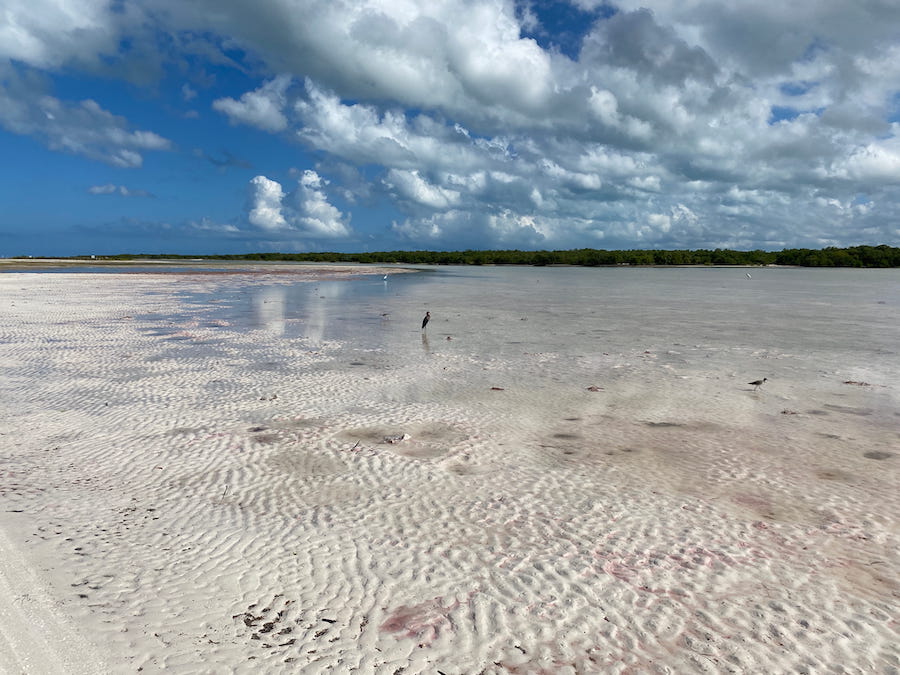
On the return trip, we spot a Caribbean flamingo and its pale white chick, the two sauntering gracefully, like a bride and her mother in high heels walking deliberately to a wedding march.
Unwinding in Holbox
Back on Isla Holbox, days slip by leisurely. You can join a yoga or pilates class, kayak or paddleboard, take a bioluminescence tour, move between swimming pool and beach, and join one of the many great beachside restaurants.
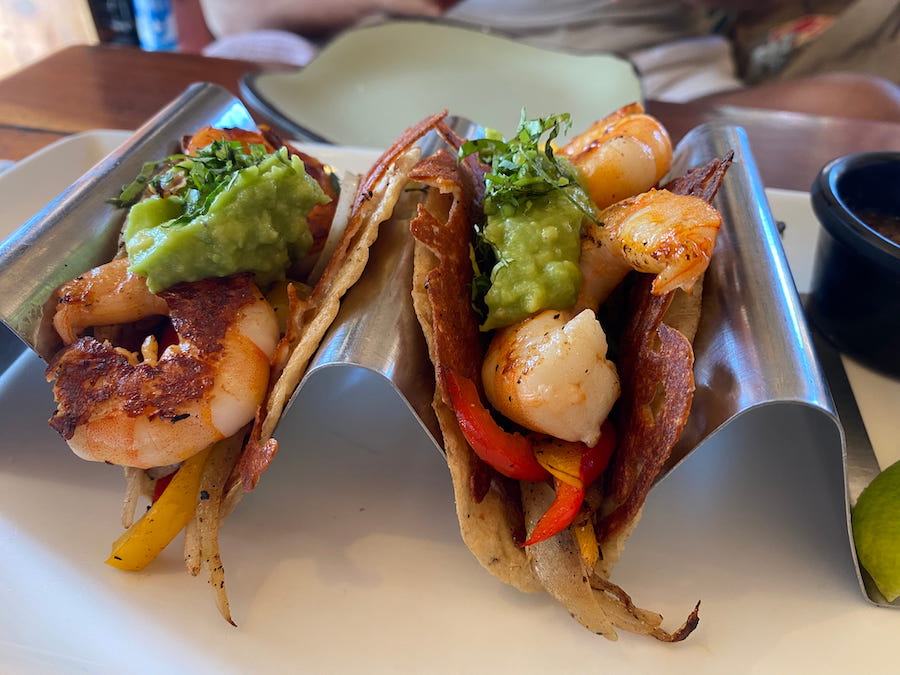
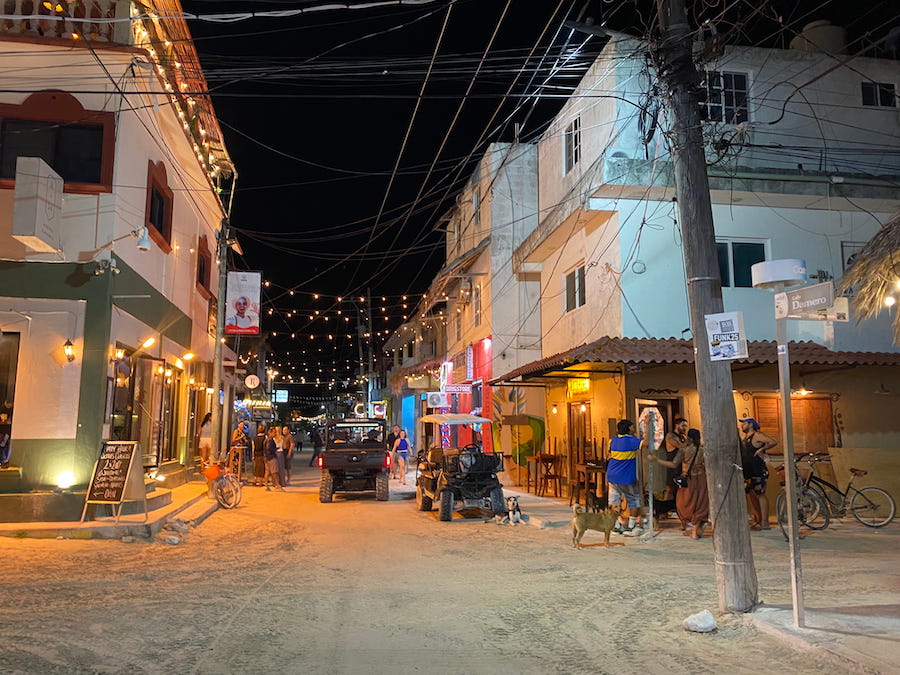
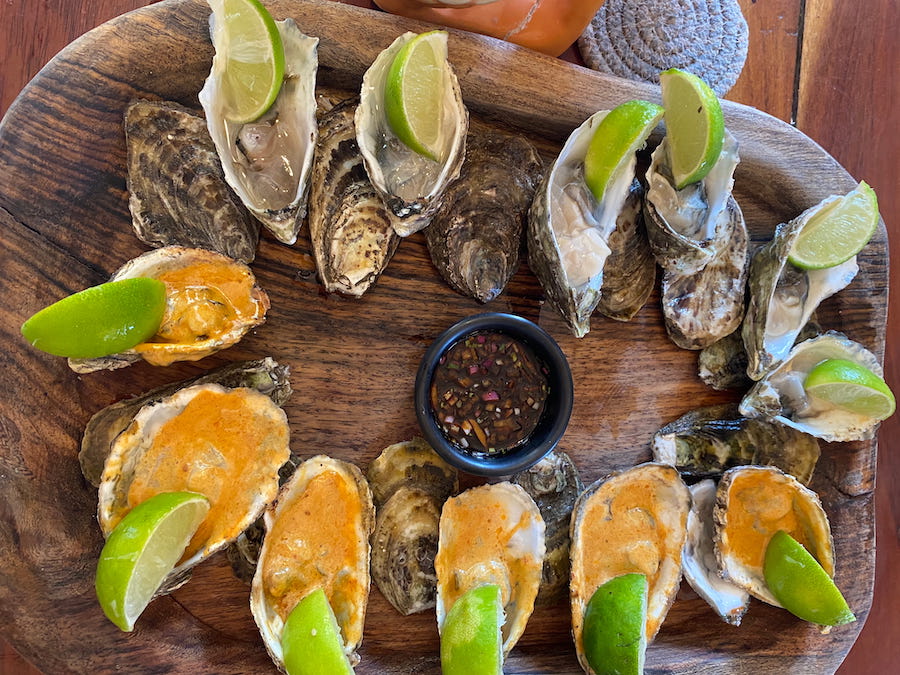
But there are also many other great options in the village. Its sandy unpaved roads around the main square are easily navigable by foot, bike or golf cart. Shops and designer boutiques sell jewellery, local art, embroidered bags, designer clothing and Mayan crafts, while open-air restaurants, bars and eateries serve everything from tacos and seafood to smoothies, cocktails, gourmet coffees, and one of the island’s iconic dishes — lobster pizza. There are several small tiendas where you can buy your local produce, along with tortillerias for this delicious Mexican staple, made by hand.
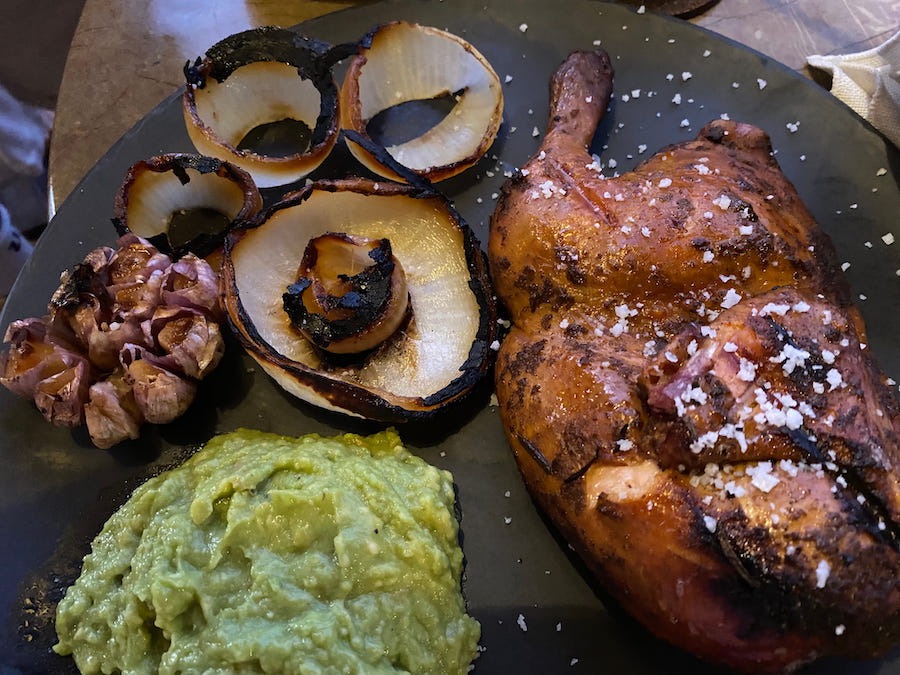
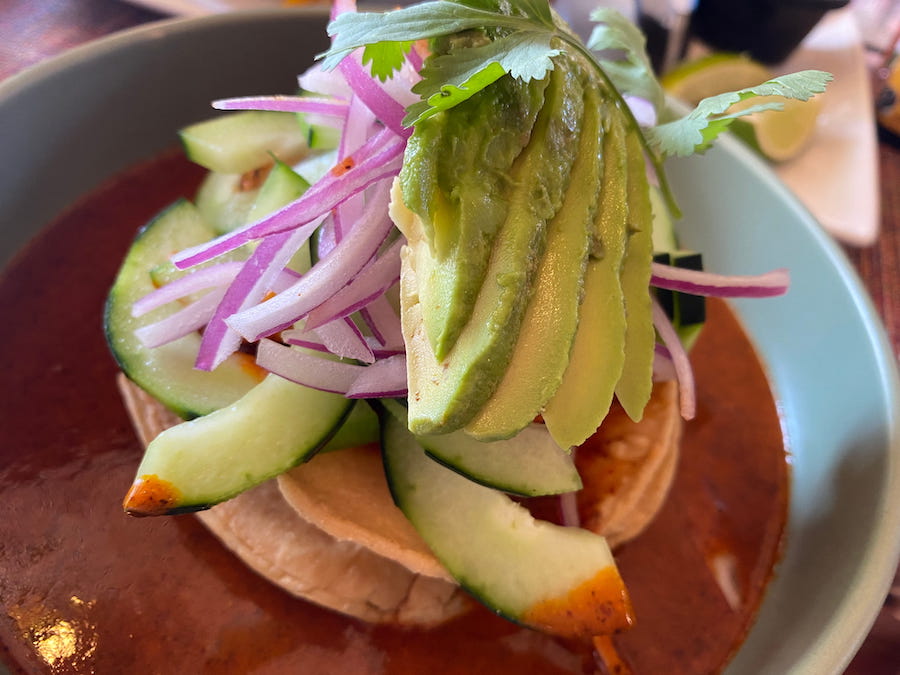
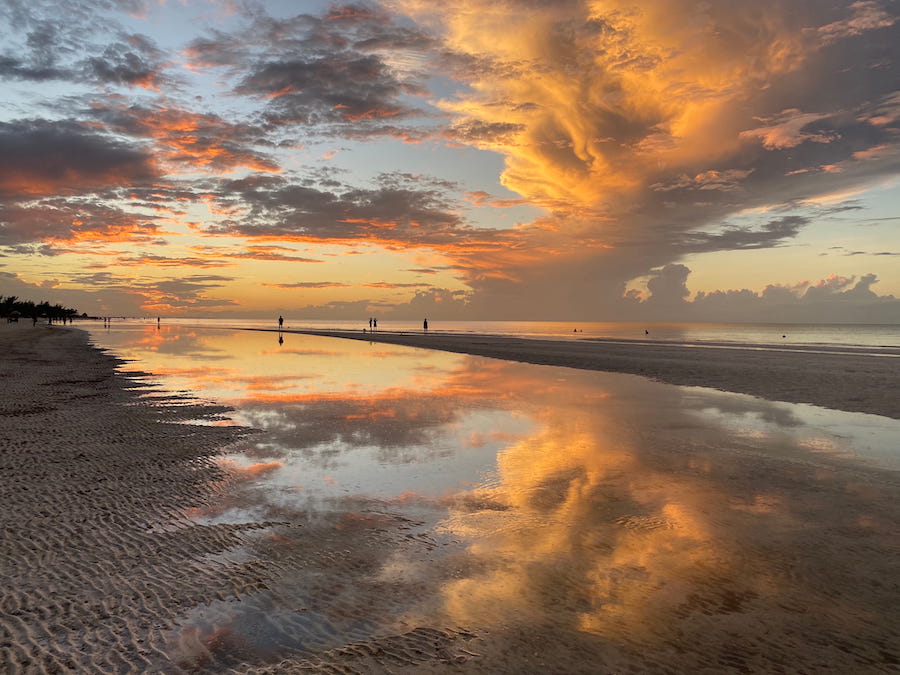
Back at Ana Y José, pelicans soar overhead as we watch our last sunset on the hotel’s rooftop bar, with its 360-degree views. Slipping into the pool, we watch as the sky shifts from baby blue to streaks of pink.
“It’s a painted sky,” says my friend Sebastian, as we sip margaritas and watch the light fade to black.
Preparing for Your Trip to Isla Holbox
- Holbox is about a two-hour drive from the Cancun airport to town of Chiquilá, or about a 2.5-hour drive by Ado bus, leaving from downtown Cancun. Cars are not permitted on the island.
- Ferries from Chiquilá to Holbox leave every 30 to 60 minutes, take about 25-minutes and cost about 300 pesos ($24/$25 CAD) each way.
- Most restaurants take credit cards, but it’s best to carry Mexican pesos for [their golf cart] taxis, small shops and tours.
- For an upscale wellness experience, with a stay in a jungle treehouse or oceanfront suite, a top-rated restaurant, and water-themed activities like sound healing in crystal pools, and paddleboard yoga, try Nomade Holbox.
Diana visited Isla Holbox as a guest of the Mexican Caribbean Tourism Board.

Lovely content.