The colour, culture and celebratory spirit of Martinique
Diana Ballon explores Martinique, beyond the beach, indulging in its vibrant colour, rich Caribbean and French culture and celebratory spirit.
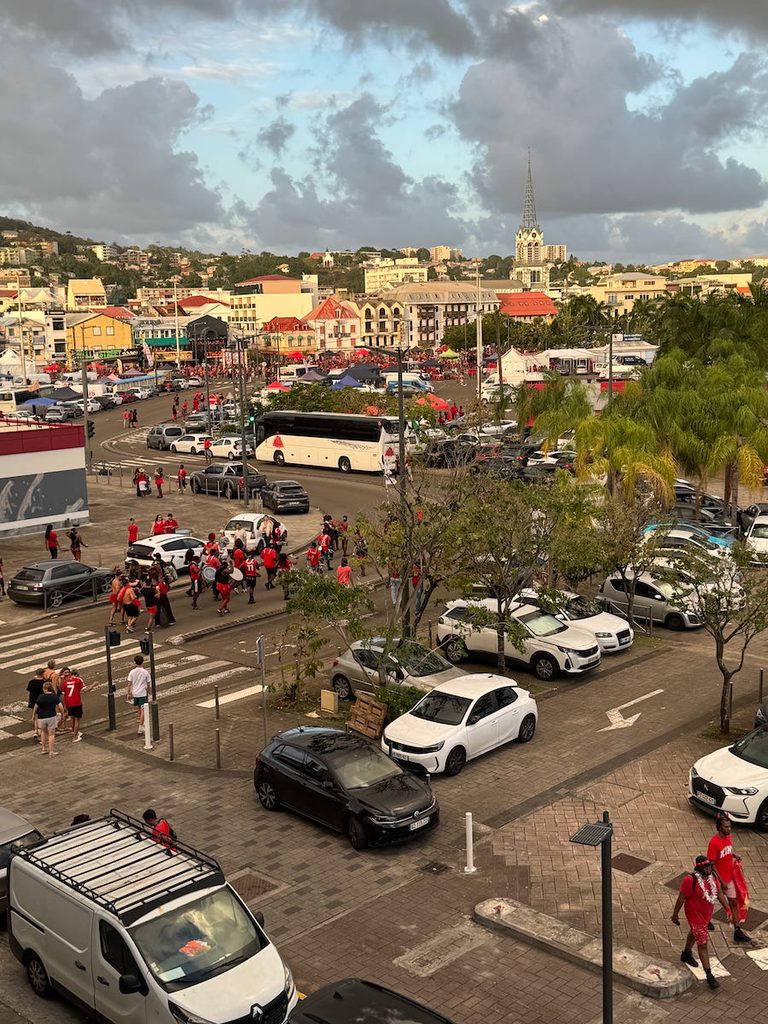
Driving through downtown Fort-de-France, Martinique’s capital, I see several men in red bras and sequined ballet skirts. A woman sports sparkling red horns, gold running shoes and bright red knee socks. Teenage girls walk hand in hand in matching bikini tops, while three-generation families are dressed in matching getups. It’s a family affair.
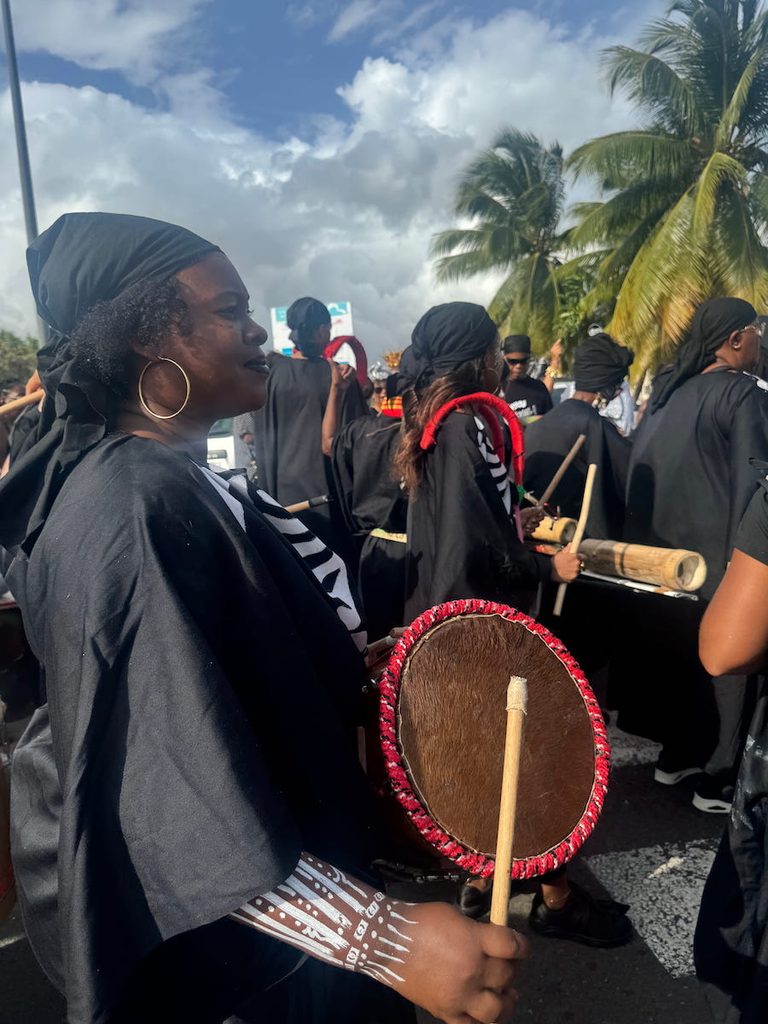
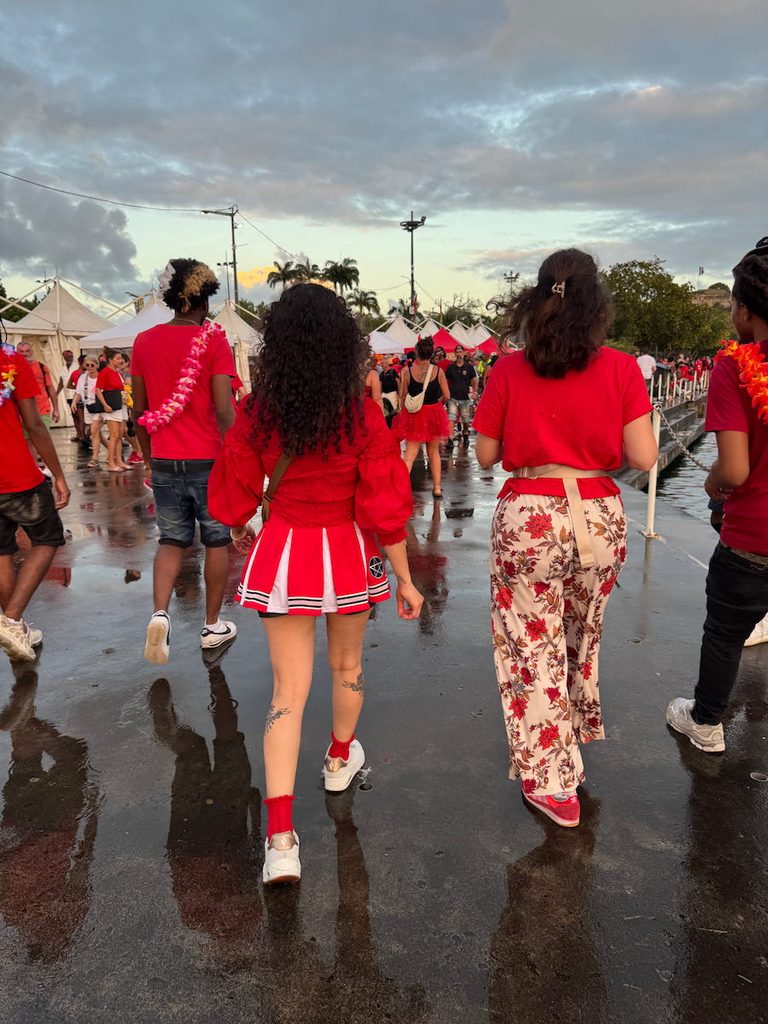
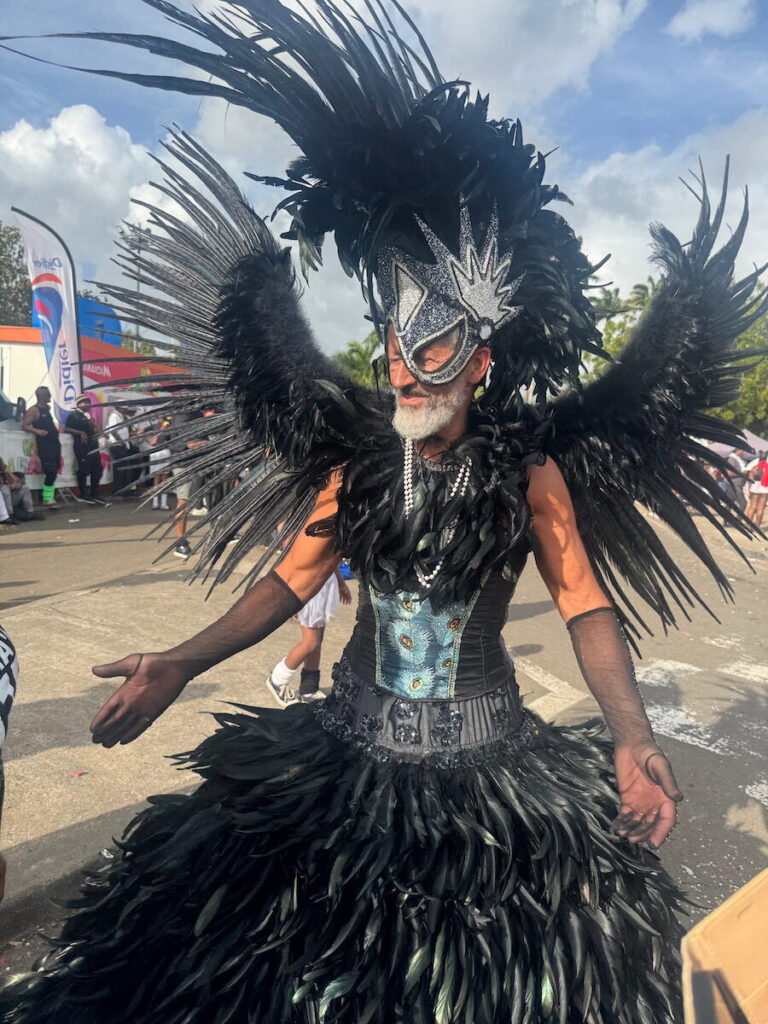
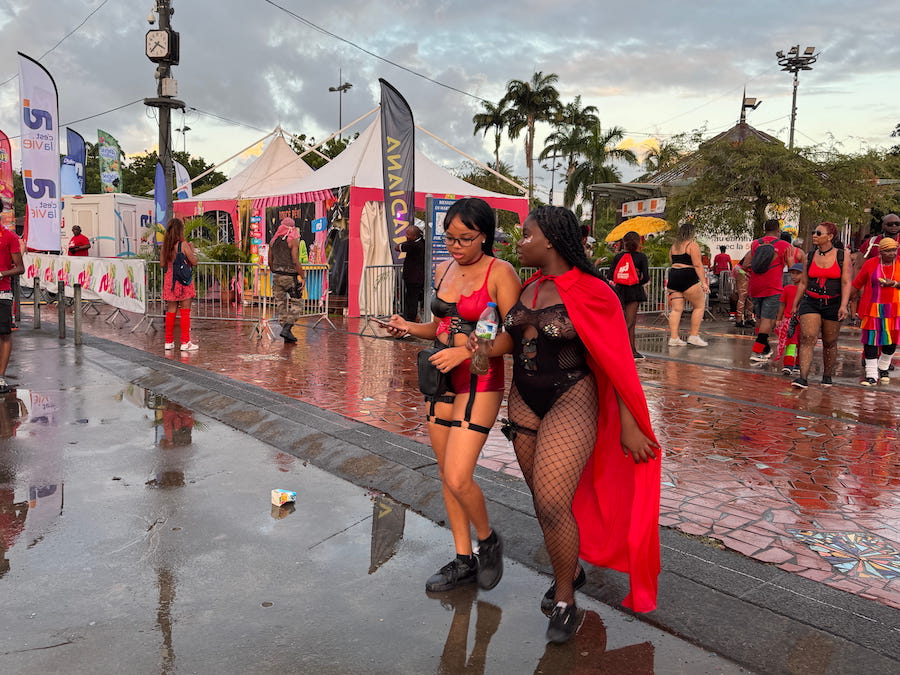
The Martinique Carnival — held every year on this relatively small volcanic island — is one of the Caribbean’s biggest celebrations. It is a time where irreverence, satire, humour and burlesque become a normal part of street life.
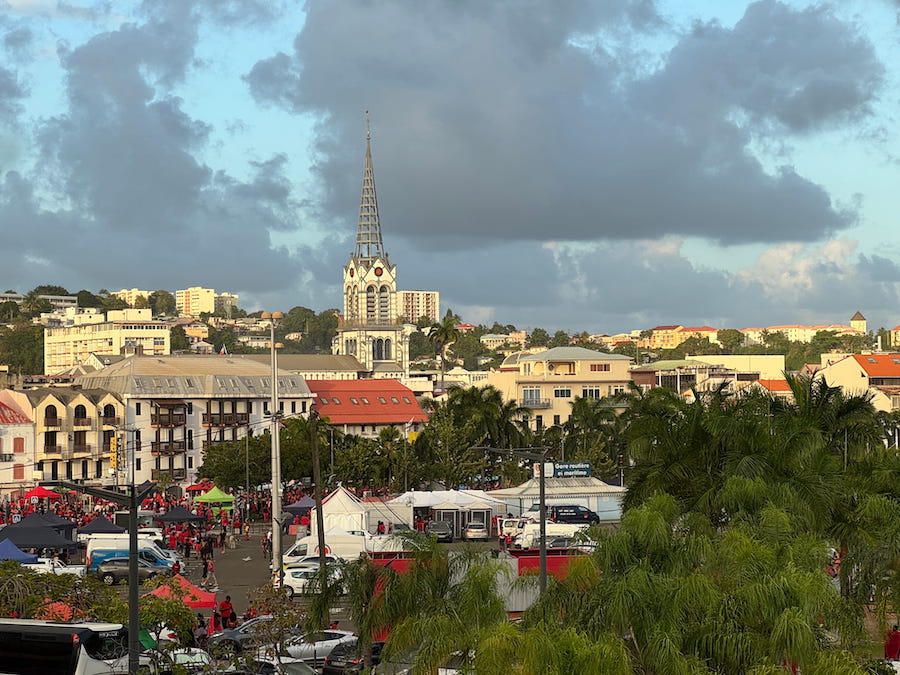
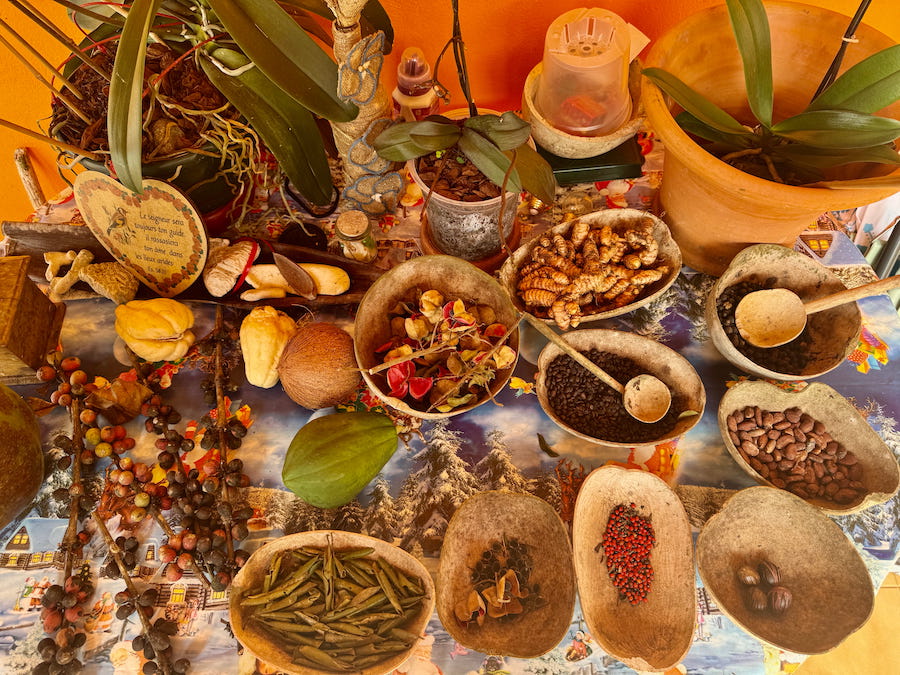
But even without festivities like the carnival, I discovered that Martinique pulses with warmth and positive energy all year long. A celebratory spirit may not always be accompanied by sequins and drum beats, but the island is infused with natural beauty and an easygoing spirit that is just as captivating. With its blend of French and Caribbean influences, Martinique is distinct from its neighbours. You can enjoy foie gras alongside salt cod fritters (accras) and spicy blood sausage, and pair them with rhum agricole — a rum made from sugarcane juice rather than molasses. You can browse open-air markets, and enjoy music ranging from zouk to reggae to Bèlè and Creole percussion.
The island is known for its windy roads, mountainous interior, and mix of white and black-sand beaches. If you’re a nature lover, head north for black sand beaches, hiking and rainforest walks; south for white-sand beaches and resorts; and the central region, dominated by Fort-de-France, for its vibrant capital and cultural hub of Martinique, French-Creole culture, colourful historic architecture, and bustling open-air markets.
While we were there, we did a bit of everything.
Habitation Clément
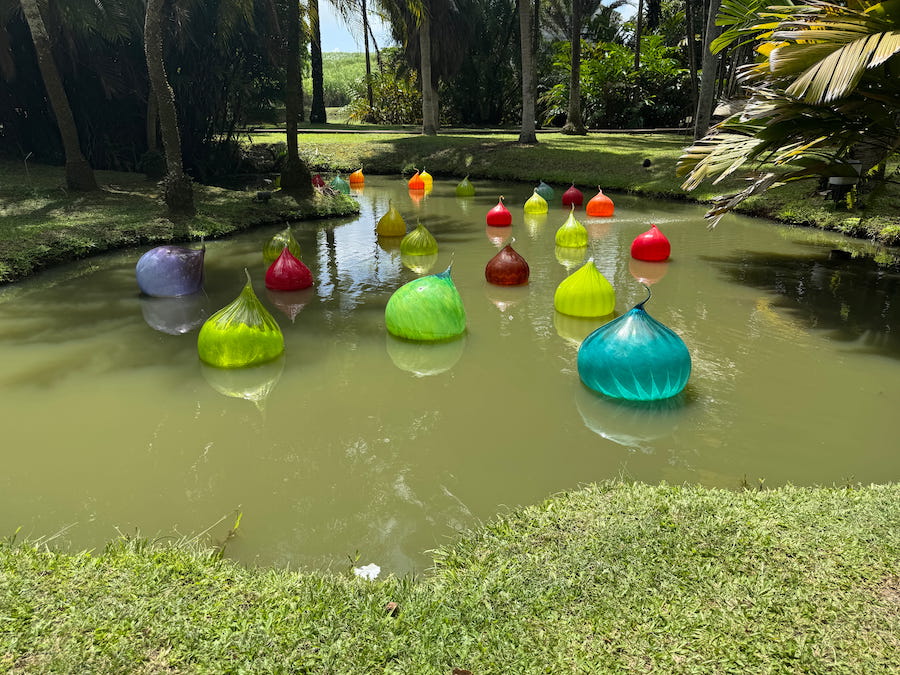
One of the most visited sites on the island, this former sugar plantation is now a rum distillery, museum, sculpture park (set around a beautiful pond) and botanical garden. Its heritage museum documents plantation life and is housed in the preserved 18th Century Creole manor house, while rum tastings happen inside its old distillery buildings.
Photographer: Diana Ballon.
While I enjoyed the rum and learning about plantation life, it was the bucolic sculpture park that truly captivated me. The works are integrated throughout the 40-acre gardens, acting like a walking art museum, with sculptures set among lawns, trees and around water.
Jardin de la Montagne
The Jardin de la Montagne, or Garden of the Mountain, sits at one of the highest points in the south part of the island. As our driver expertly navigates the windy roads leading up to this family-owned plantation, the air becomes cooler and more humid. Amidst lush forest, a perfumed scent rises from the surrounding flowers and plants, and mountain views replace glimpses of the sea.
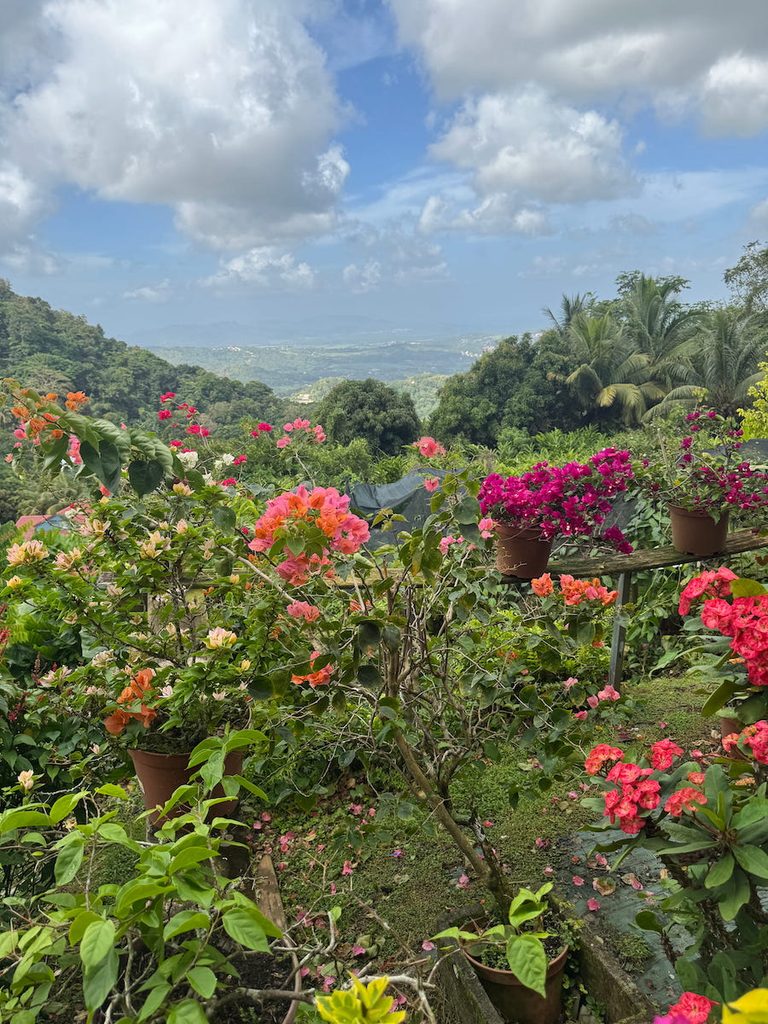
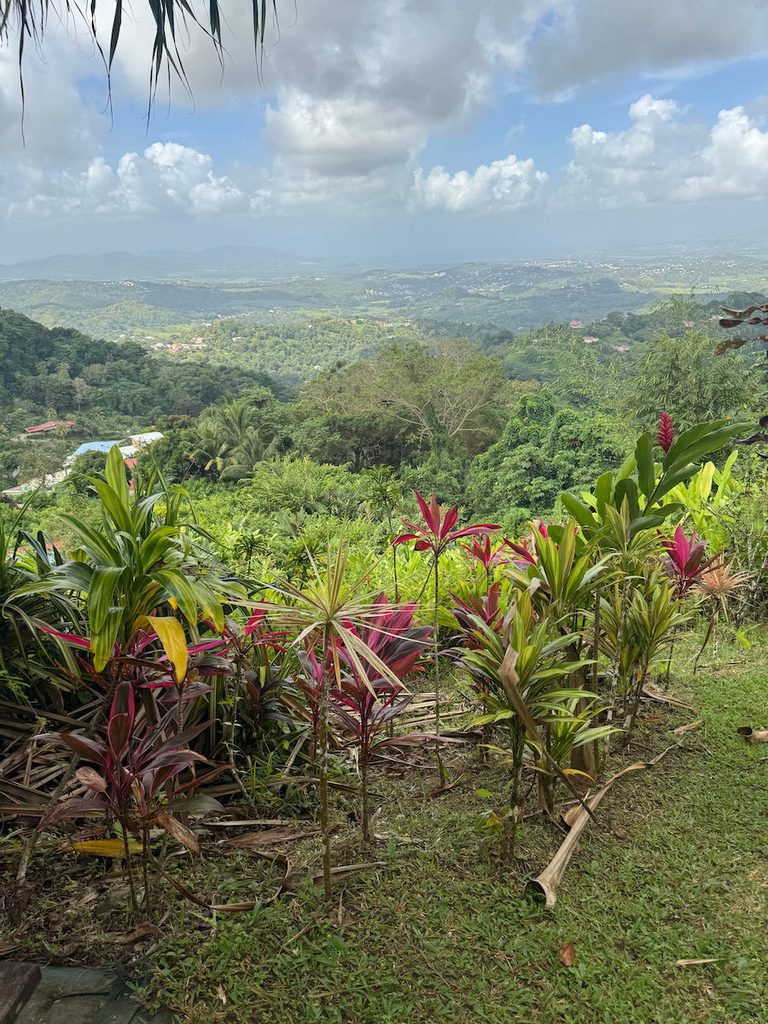
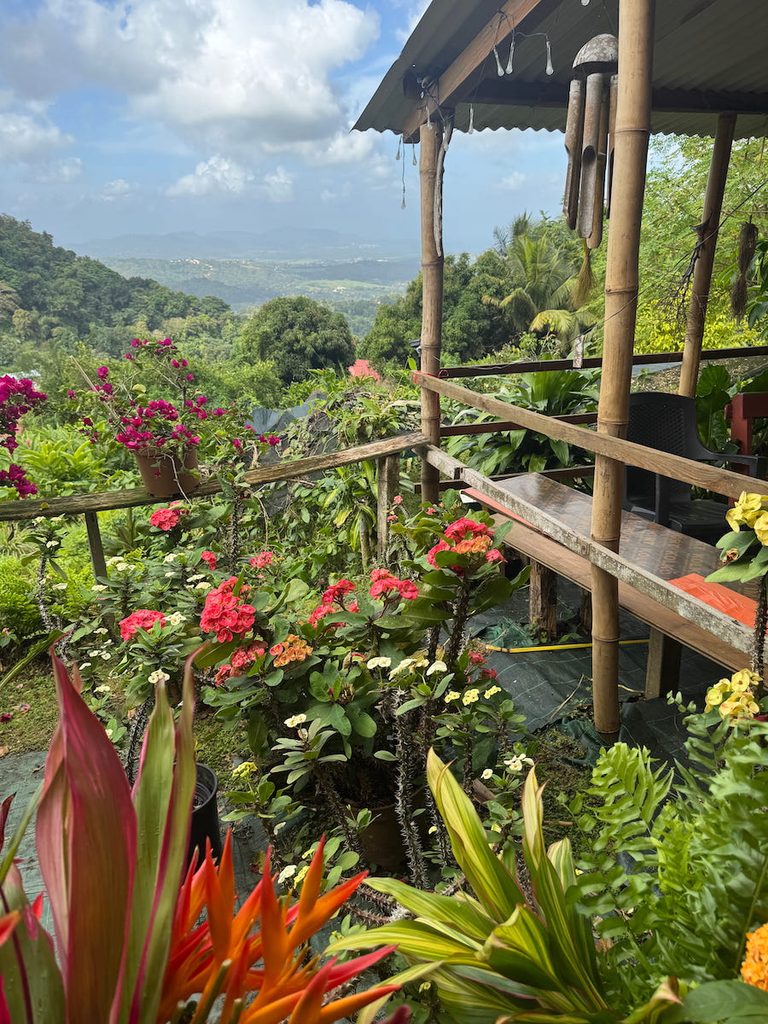
When we arrive, we are given a tour along paths lined with vegetable plots, fruit trees, and aromatic and medicinal plants. The colours are extraordinary — bright pink rhododendrons, golden Tecoma stans, brilliant red crown of thorns and birds of paradise. Hummingbirds and yellow-bellied sugarbirds dart through the air.
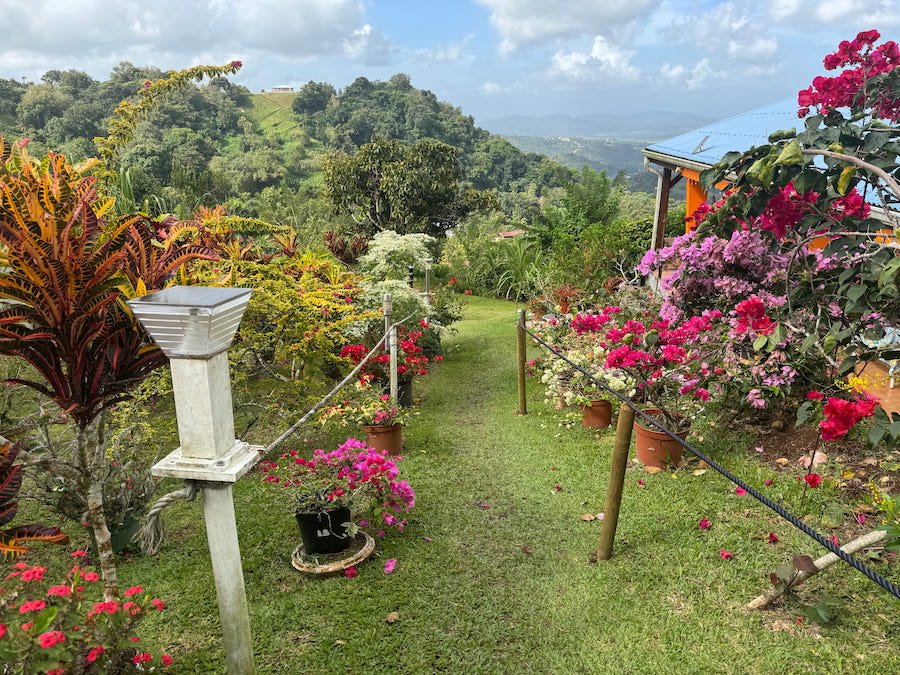
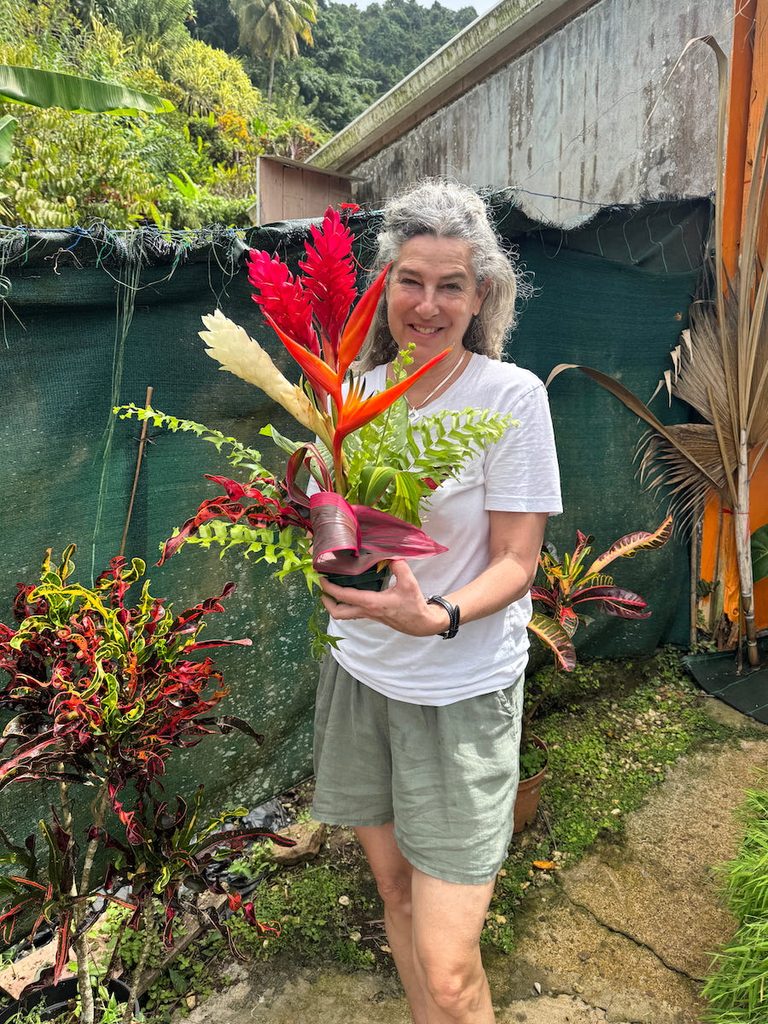
We are here to make floral arrangements, or to “jouer avec la forme” (play with shapes), as our instructor encourages us to do. She asks us to choose four flowers and some greenery for our bouquets.
“Cut the flowers at different levels so they don’t look like antennas,” she advises. It is surprisingly good advice — and it works!
Caravelle Peninsula Nature Reserve
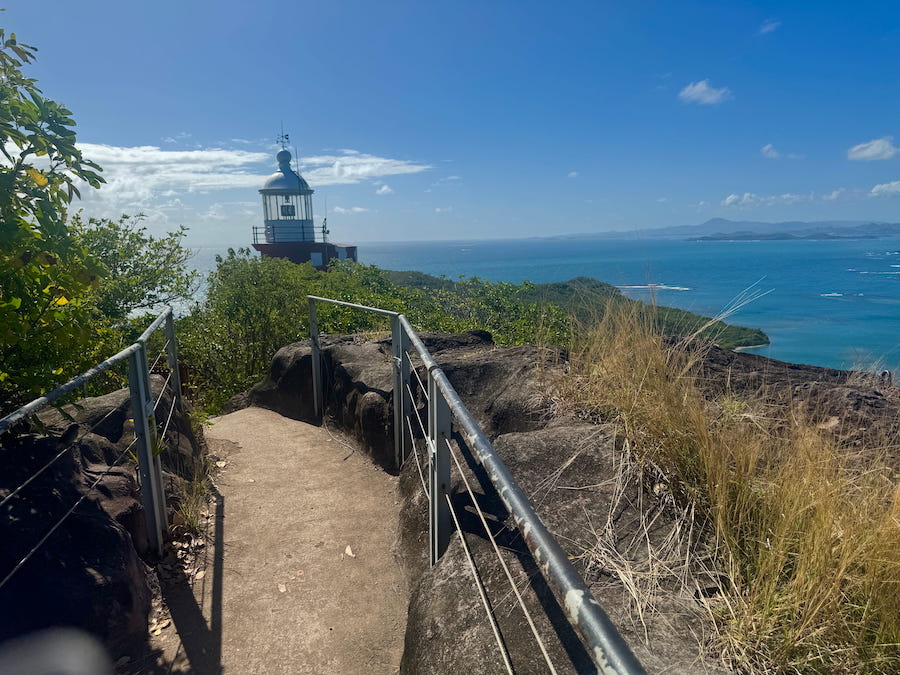
This reserve is one of the island’s best hiking destinations, with a leisurely 1.5 to 2 kilometre loop and a more demanding “Grand Sentier,” which follows the peninsula’s outer edge to a 180 metre lighthouse with sweeping views of the ocean.
Photographer: Diana Ballon
“Welcome to my office,” our guide says, as he stands beside the lighthouse and gestures to the landscape surrounding us. The peak of Mount Pelée rises, partly hidden, in the distance. Below us, turquoise water meets the cliffs, and waves break along the shore.
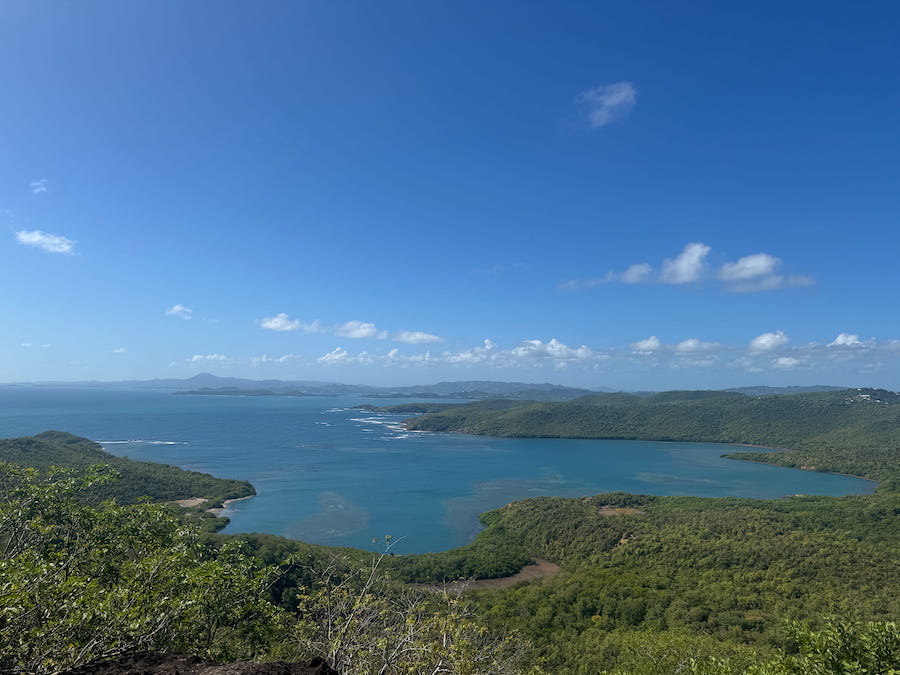
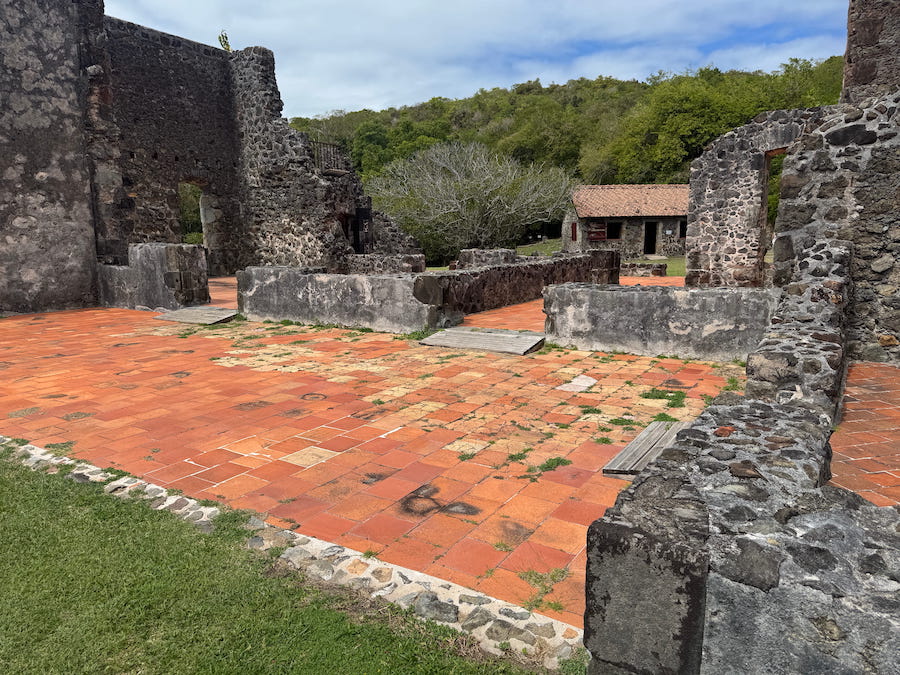
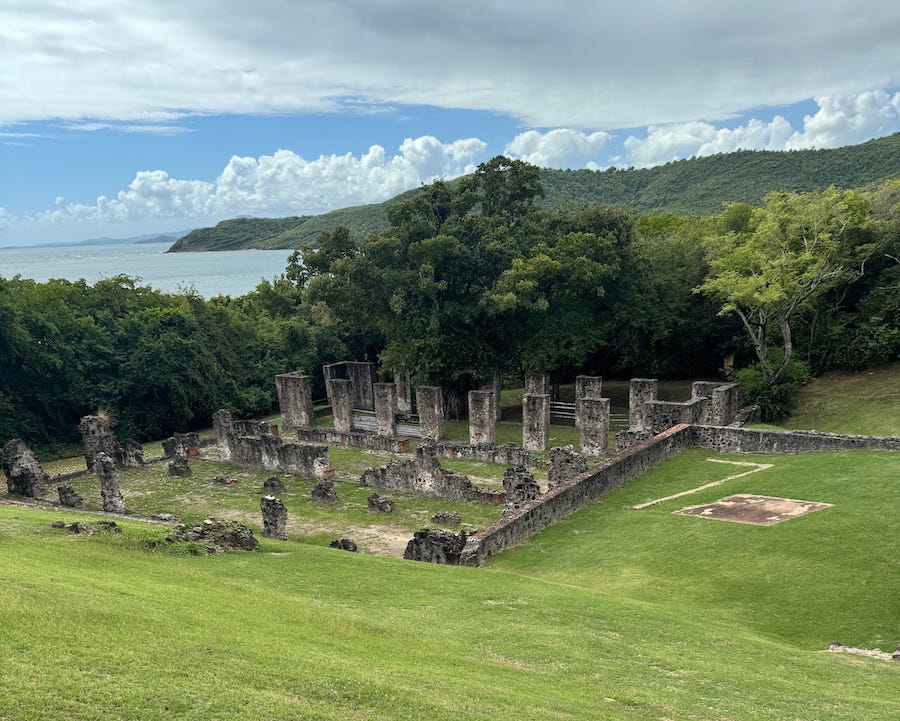
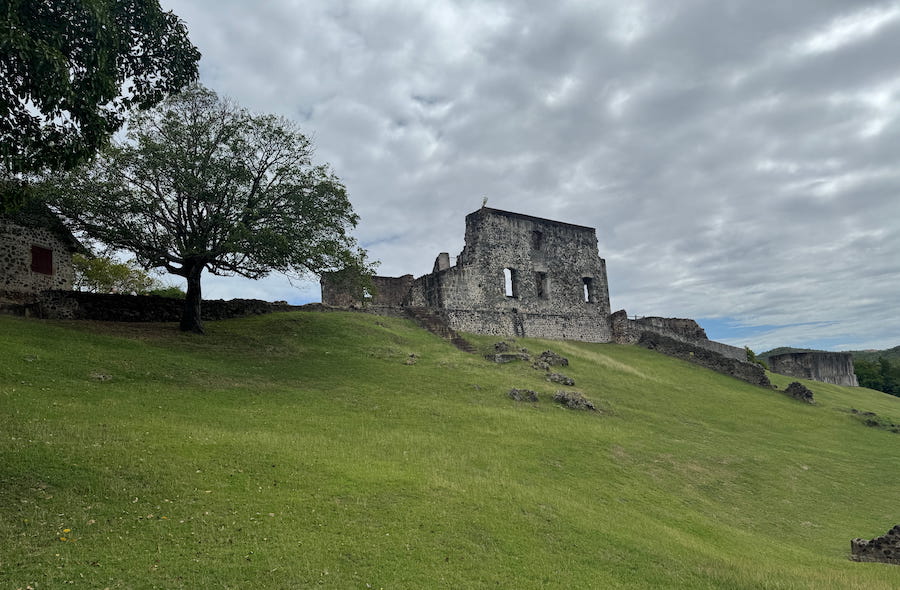
The forest here covers 378 hectares and is quite young — no more than 300 years old. Once dominated by sugar cane, hurricanes have since reshaped the landscape. Today, you can still find remnants of cisterns, a sugar press and warehouses that were once part of a vast 18th Century sugar and coffee plantation.
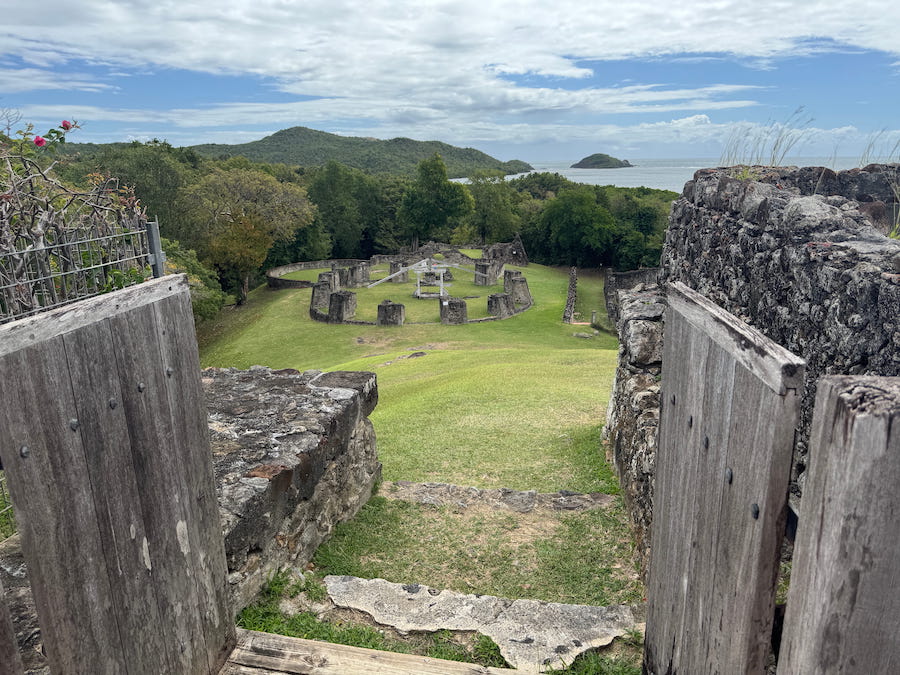
Old stone walls are part of the ruins of Château Dubuc. Rather than a romantic castle, the colonial estate is linked historically to slavery and smuggling, giving it an ominous feel. The same paths we hike were once walked by the hundreds of enslaved people who worked there.
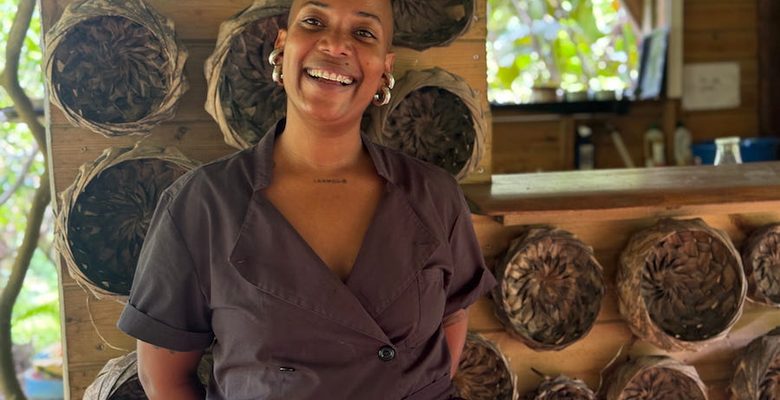
A farm-to-table experience with Chef Sterelle in Saint-Joseph, Martinique
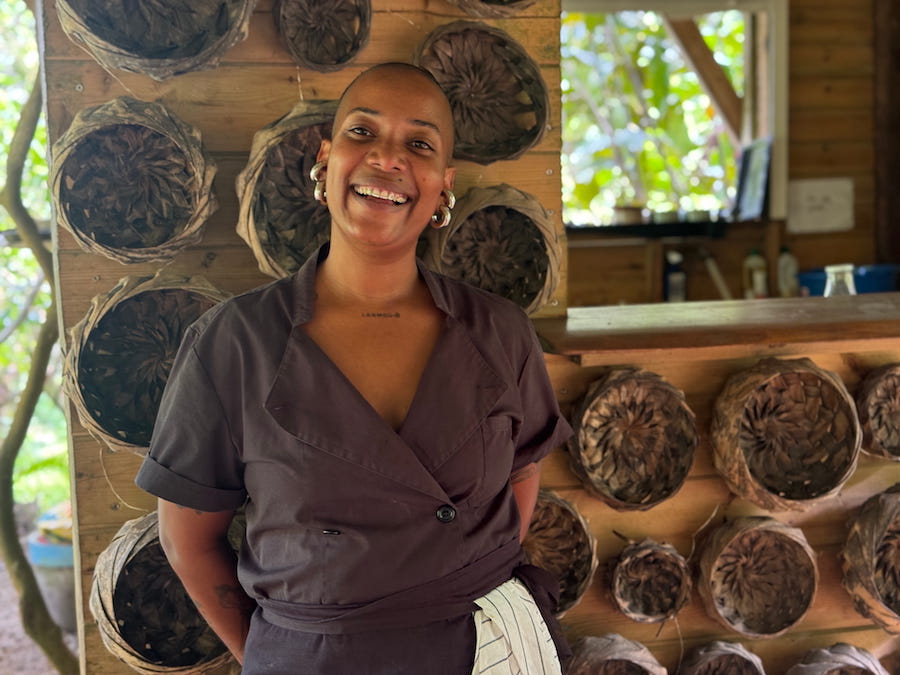
Chef Sterelle calls it paradise. It is easy to see why. We walk beneath a cinnamon tree she tells us is one of the oldest on the land. She hands us leaves to crush in our hands, emitting a warm spicy smell.
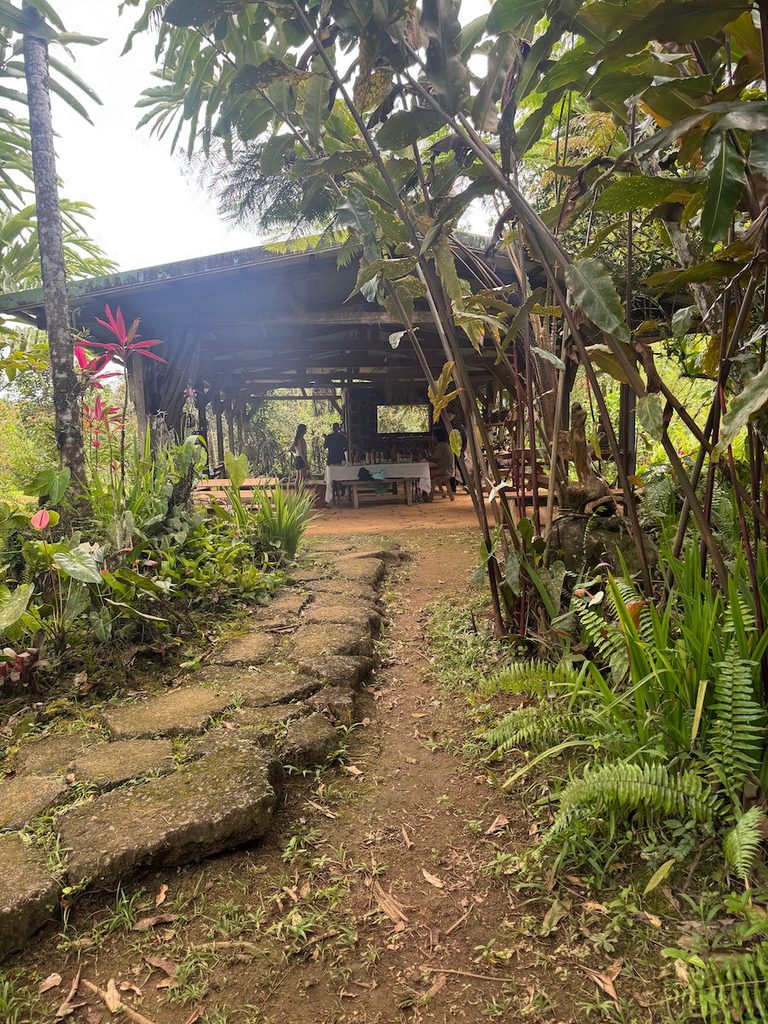
Nearby, a long table with white linen tablecloth is set under a rustic open-air shelter with mud floor. The setting is off grid, the dining is refined.
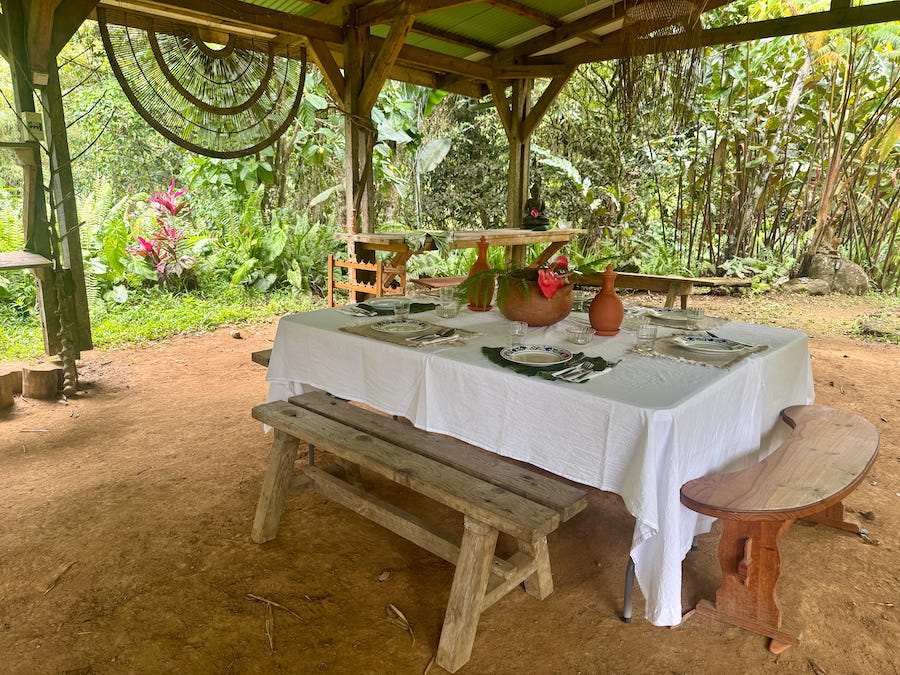
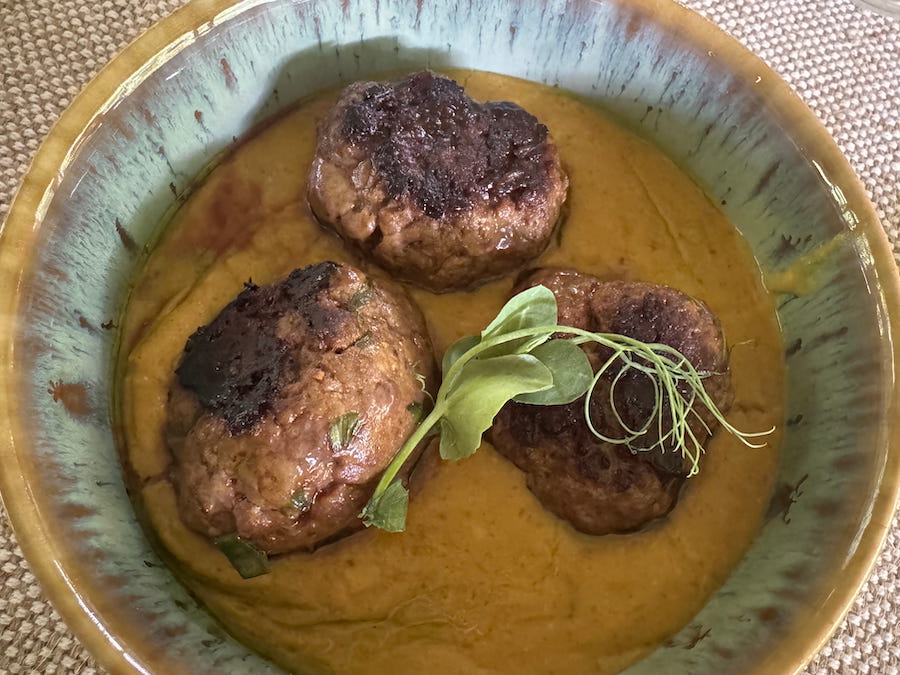
We are here to experience Chef Sterelle’s farm-to-table cuisine in the countryside of Saint-Joseph in the island’s central interior — often called Martinique’s “green lung” for its dense tropical forests. The multi-course meal is cooked entirely over an open fire. Its menu includes local beef kafta, dal with masala sauce, sweet potato purée and salad. For dessert is a cake made with a delicious rum cacao crumble.
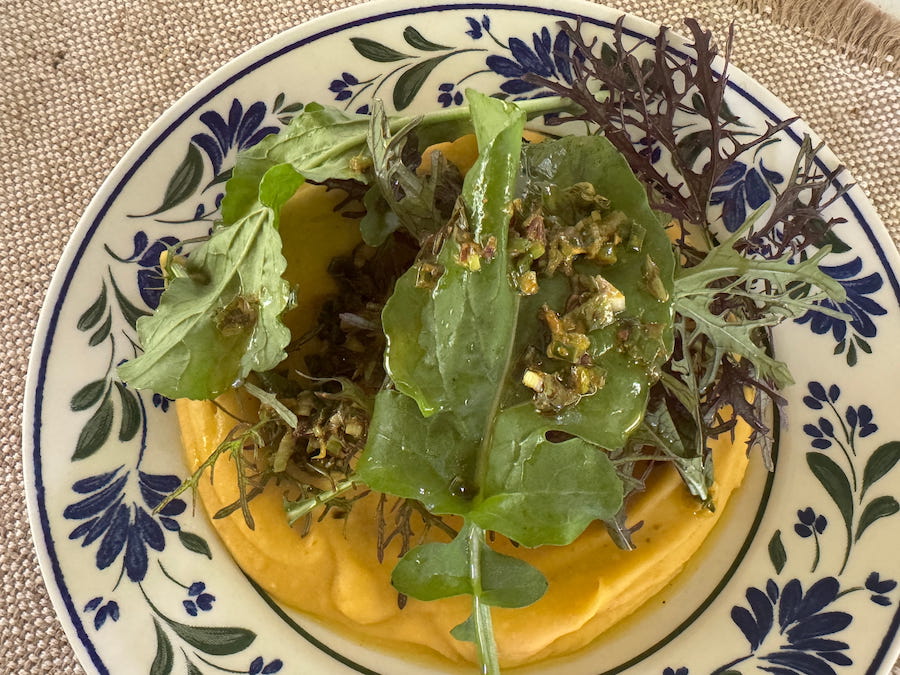
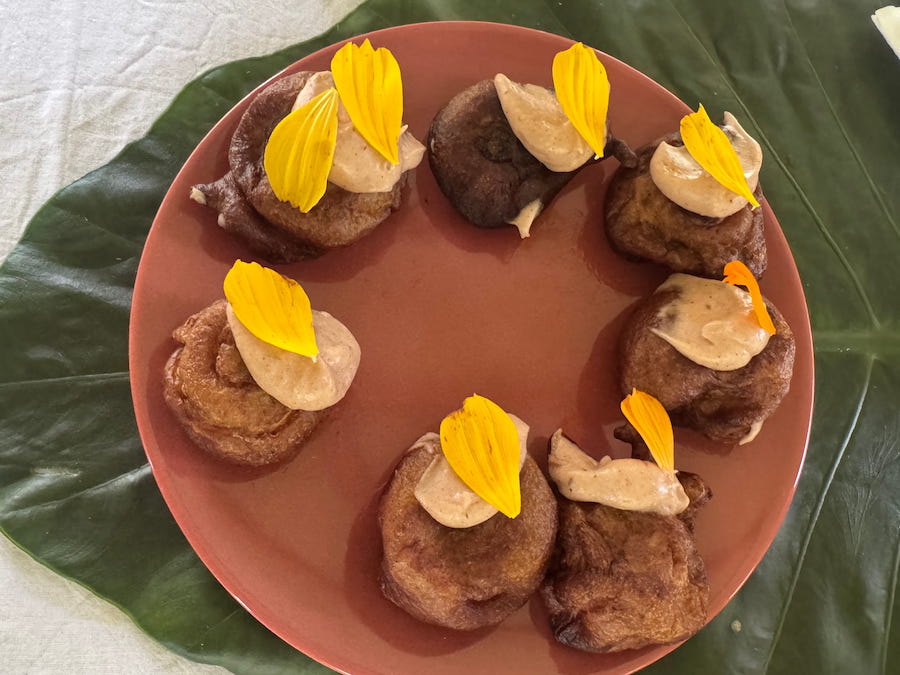
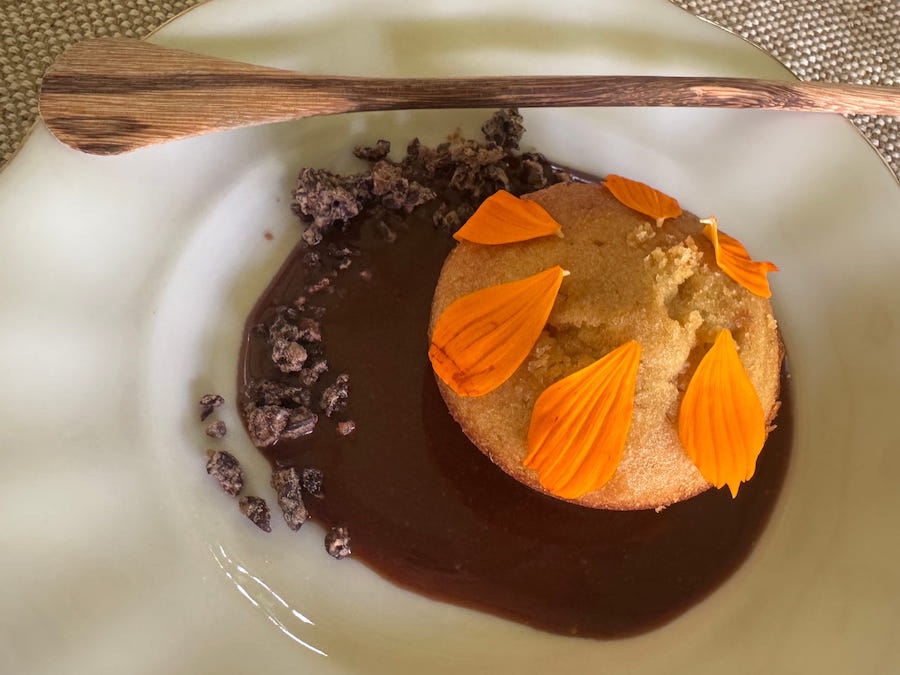
Organic farmer Jessy Lessort also gives us a tour of their one-hectare garden, explaining how its greens, medicinal herbs and edible flowers are all cultivated without pesticides, and with composted chicken and donkey manure. The garden’s produce is used both in Chef Sterelle’s cuisine, and for many restaurants and Sunday organic markets. The earth is covered with everything from basil, to mint, purple and orange sweet potatoes and the bright blue blossoms from butterfly peas.
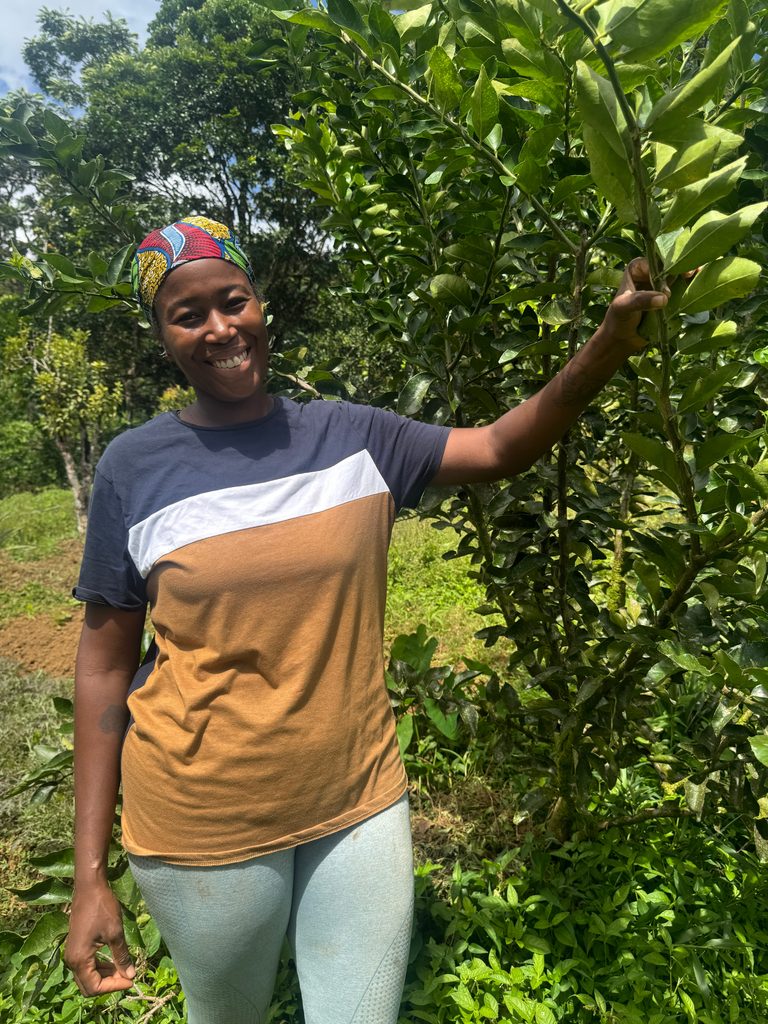
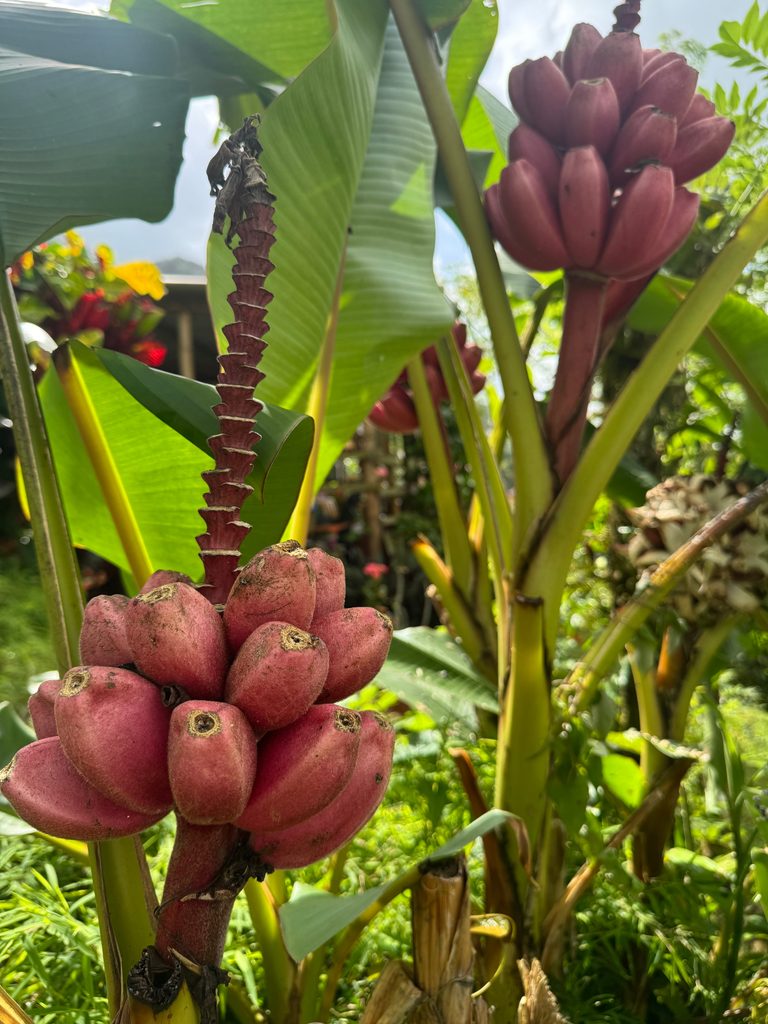
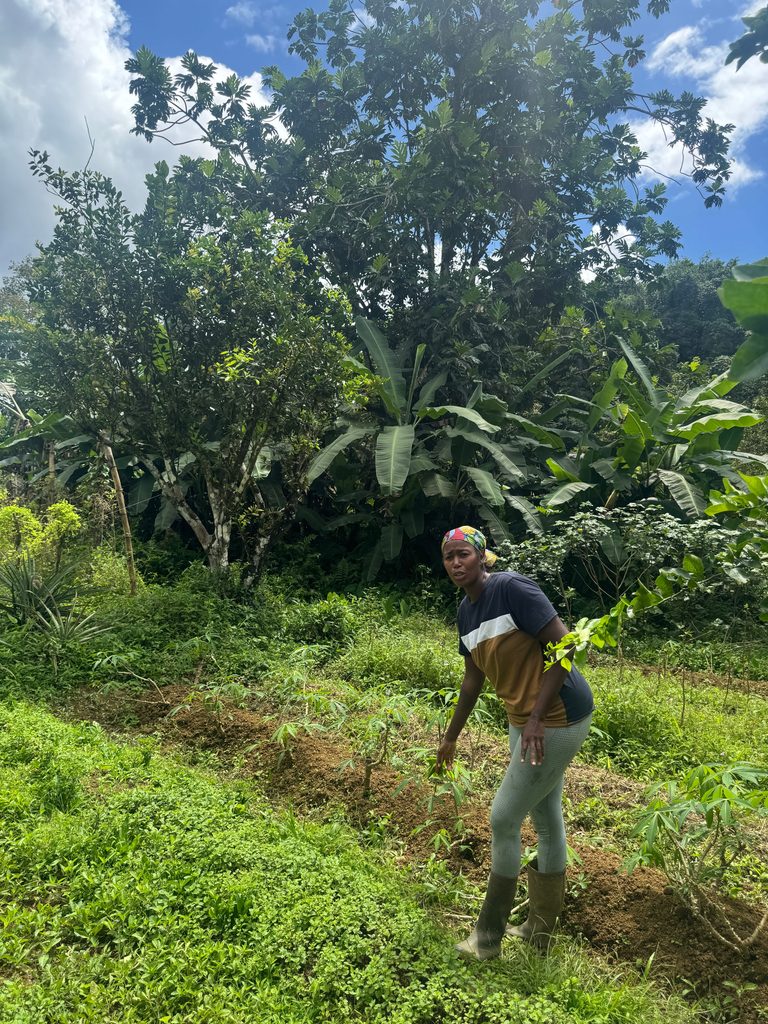
Chef Sterelle’s lunches are offered on Wednesdays and dinners on Saturdays, and can be paired with gin and rum cocktails made by an on-site mixologist.
Encounters with dolphins near les Trois-Îlets, Martinique
On our final morning in Martinique, we board the Patience 972, a pontoon captained by Anola Forsain that departs just minutes from our resort, la Pagerie, in les Trois-Îlets on the south coast of the island. We are planning to snorkel and, if we are lucky, spot dolphins and humpback whales.
We are very lucky. As we head into open water, we begin to see dolphins, first a few, then dozens, travelling in groups. Many are juveniles, just over a metre long. Soon there are literally hundreds jumping and twirling out of the water. The captain suggests that the males may either be trying to impress the females or shaking off parasites. I prefer the first explanation. They sound like deep water swimmers, taking huge gasps of air as they cut through the water.
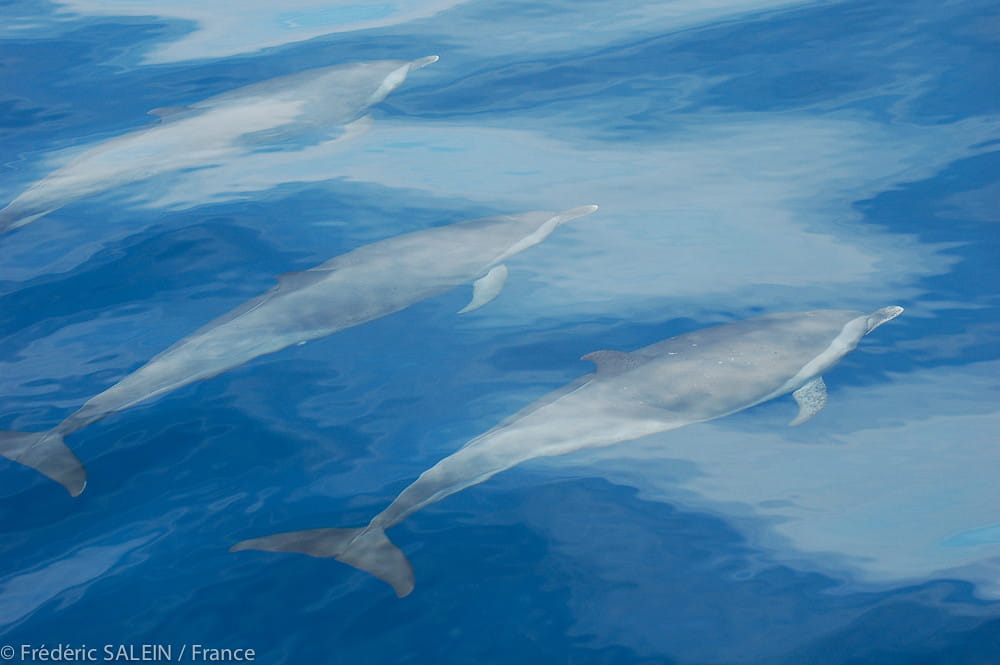
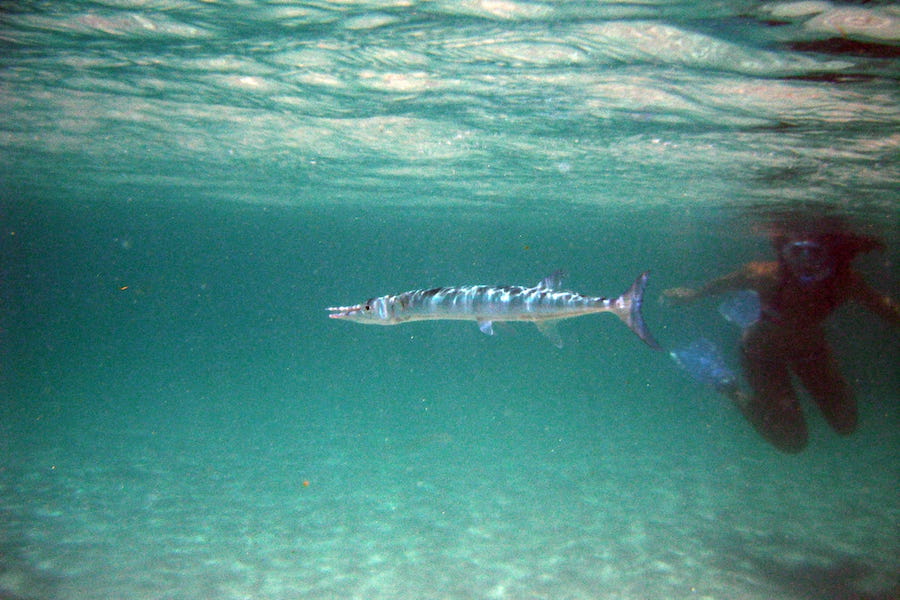
The engine cuts. I slip into the sea. What looked turquoise from the boat now looks dark as I descend into this quiet underwater world. I can’t say that I swim like a dolphin. But I am able to swirl around fish and coral, feeling a gentle connection with the sea life around me.
A fond farewell to Martinique
On the plane home later that day, I think back to Martinique, to the mountains, the streets of Fort-de-France, the botanical gardens, the beaches and finally the sea.
Wherever we went, we found a warmth and colour woven consistently into the fabric of the island.

Leave a Reply